Overview
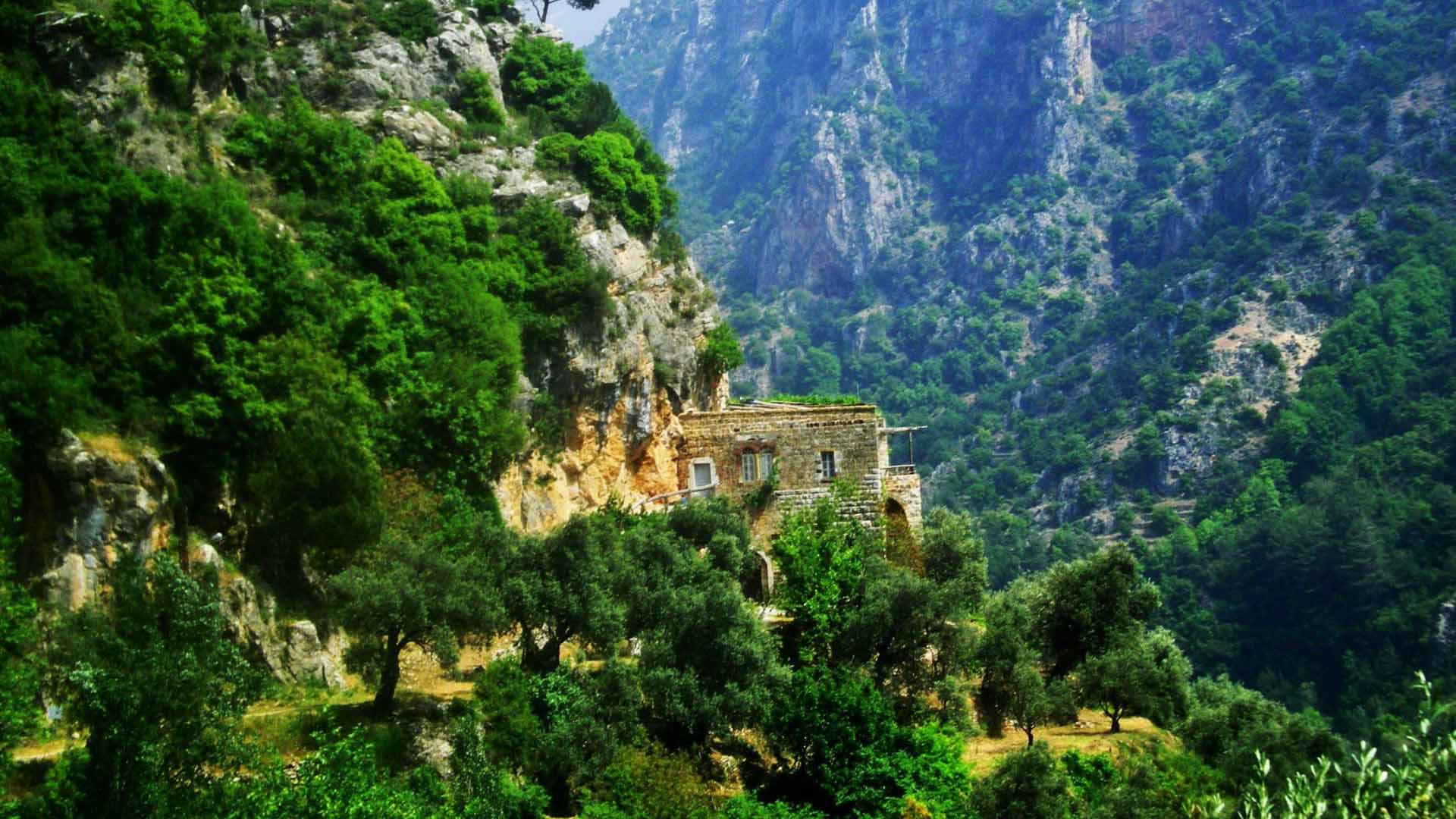
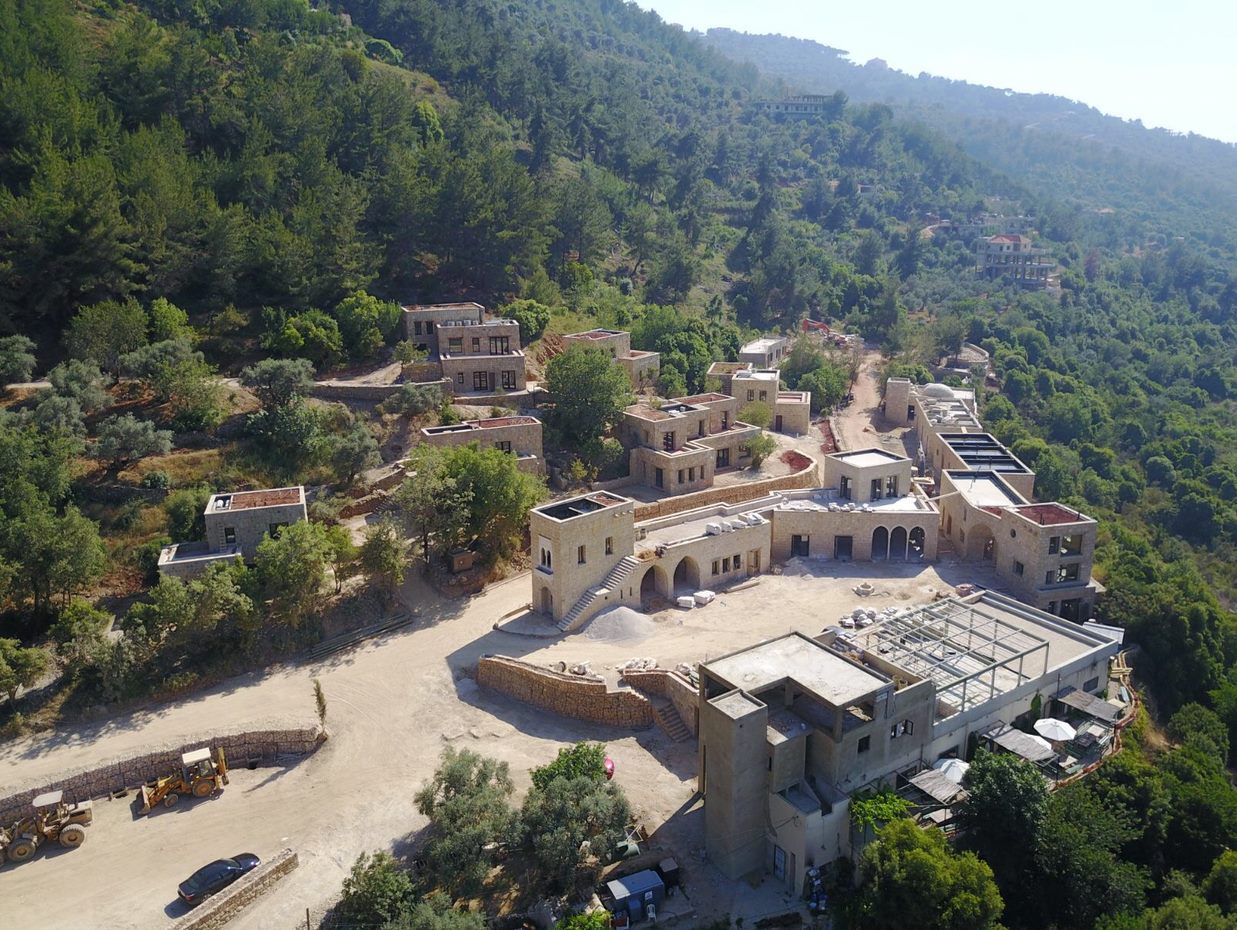
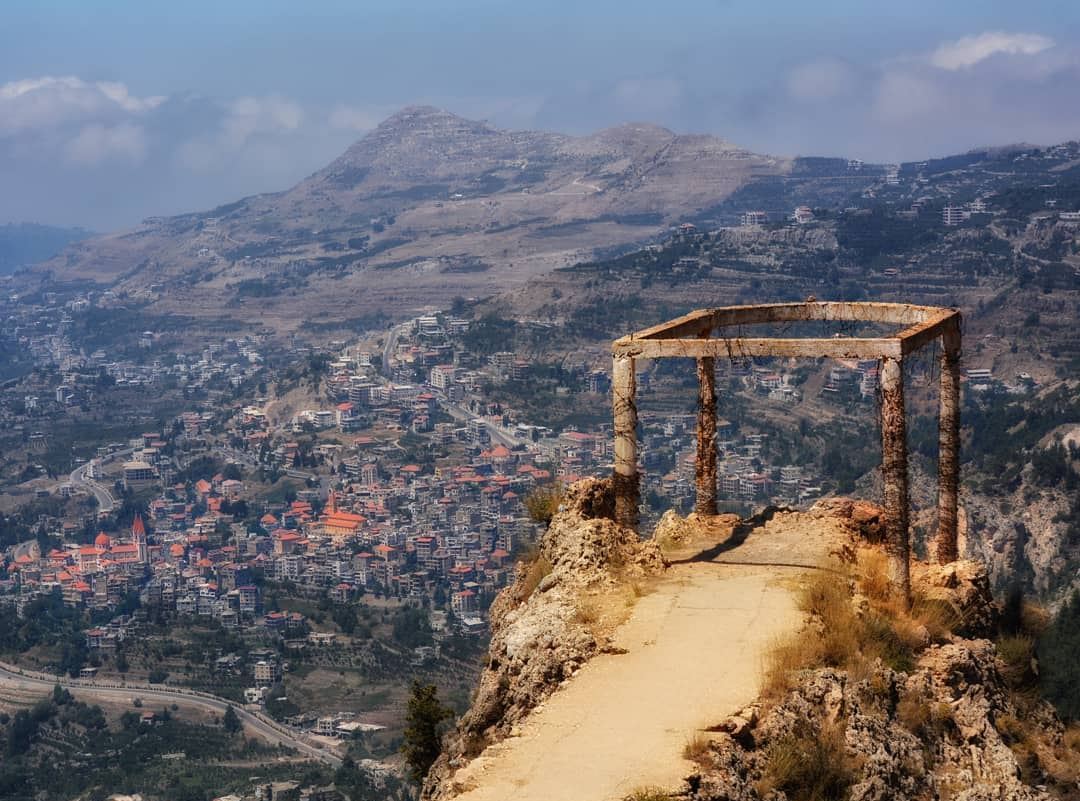
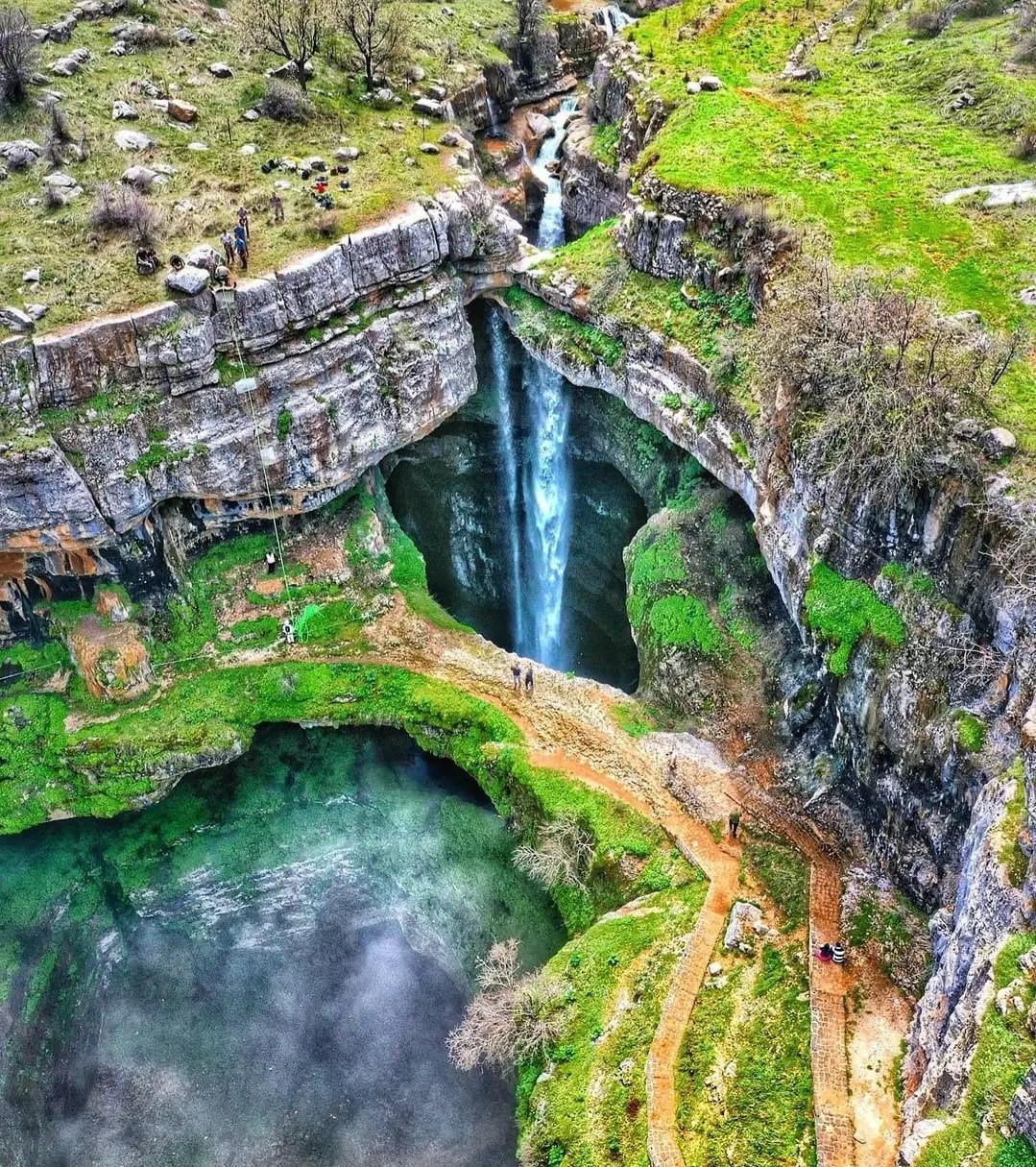
Bkerzay Village is a charming mountain village located in Mount Lebanon, known for its eco-friendly tourism and artisanal experiences. The village has been thoughtfully developed to combine traditional Lebanese architecture with modern hospitality, offering visitors a peaceful retreat in nature. Surrounded by forests, hiking trails, and scenic mountain views, Bkerzay is a destination for travelers seeking wellness, crafts, and authentic cultural experiences. Its unique approach to tourism emphasizes sustainability, local craftsmanship, and slow travel, making it an ideal escape from the busy city life.
Why Visit Bkerzay Village
-
Explore artisan workshops, including pottery, weaving, and woodworking.
-
Relax in a peaceful mountain environment with stunning natural views.
-
Stay in eco-friendly accommodations reflecting traditional Lebanese design.
-
Enjoy hiking trails, outdoor activities, and local culinary experiences.
-
Experience a blend of culture, craftsmanship, and nature in one unique location.
Visitor Tips & Hacks
Best Time to Visit:
-
Spring and autumn for mild weather and colorful landscapes.
-
Winter can offer a snowy mountain experience, perfect for cozy stays.
Time Needed:
-
Allocate 2–4 hours for village exploration, workshops, and short hikes.
-
Overnight stays are recommended for a full experience of the eco-village.
Accessibility & Walking Conditions:
-
Paths are easy to moderate; comfortable shoes recommended for walking and hiking.
-
Some artisanal workshops may require advance booking.
Facilities:
-
Eco-lodges, cafés, and artisan shops are available on-site.
-
Parking is accessible for visitors traveling by car.
Combine With Nearby Attractions:
-
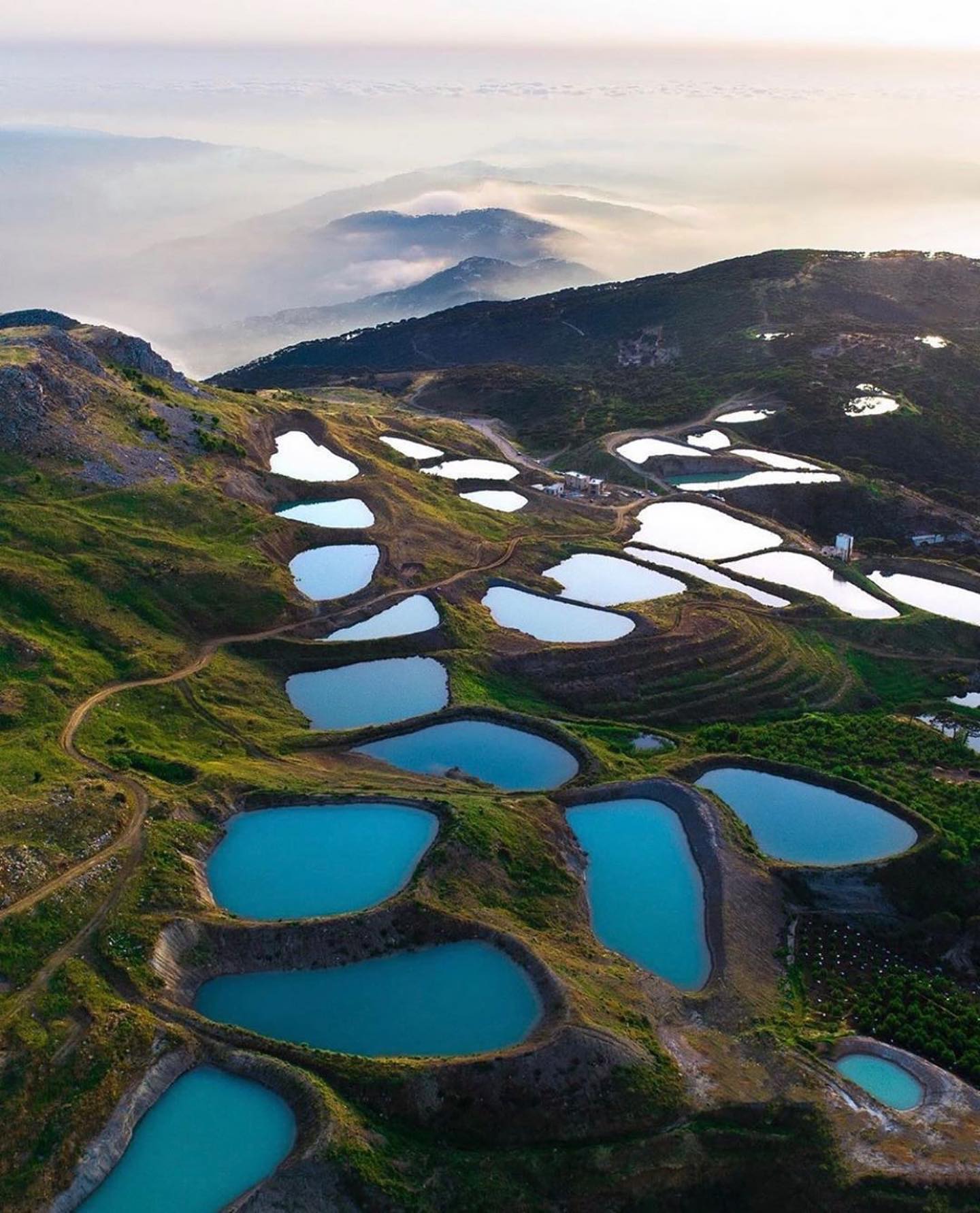
Chouwen Lake or Qornayel Lakes for a full mountain and nature day.
-
Bkerzay Village workshops can be paired with a visit to nearby historical or religious sites.
Insider Tips:
-
Participate in hands-on artisan workshops for a memorable experience.
-
Take a camera to capture the traditional architecture and mountain landscapes.
-
Respect the eco-friendly ethos by avoiding littering and supporting local artisans.


.jpg)