Overview
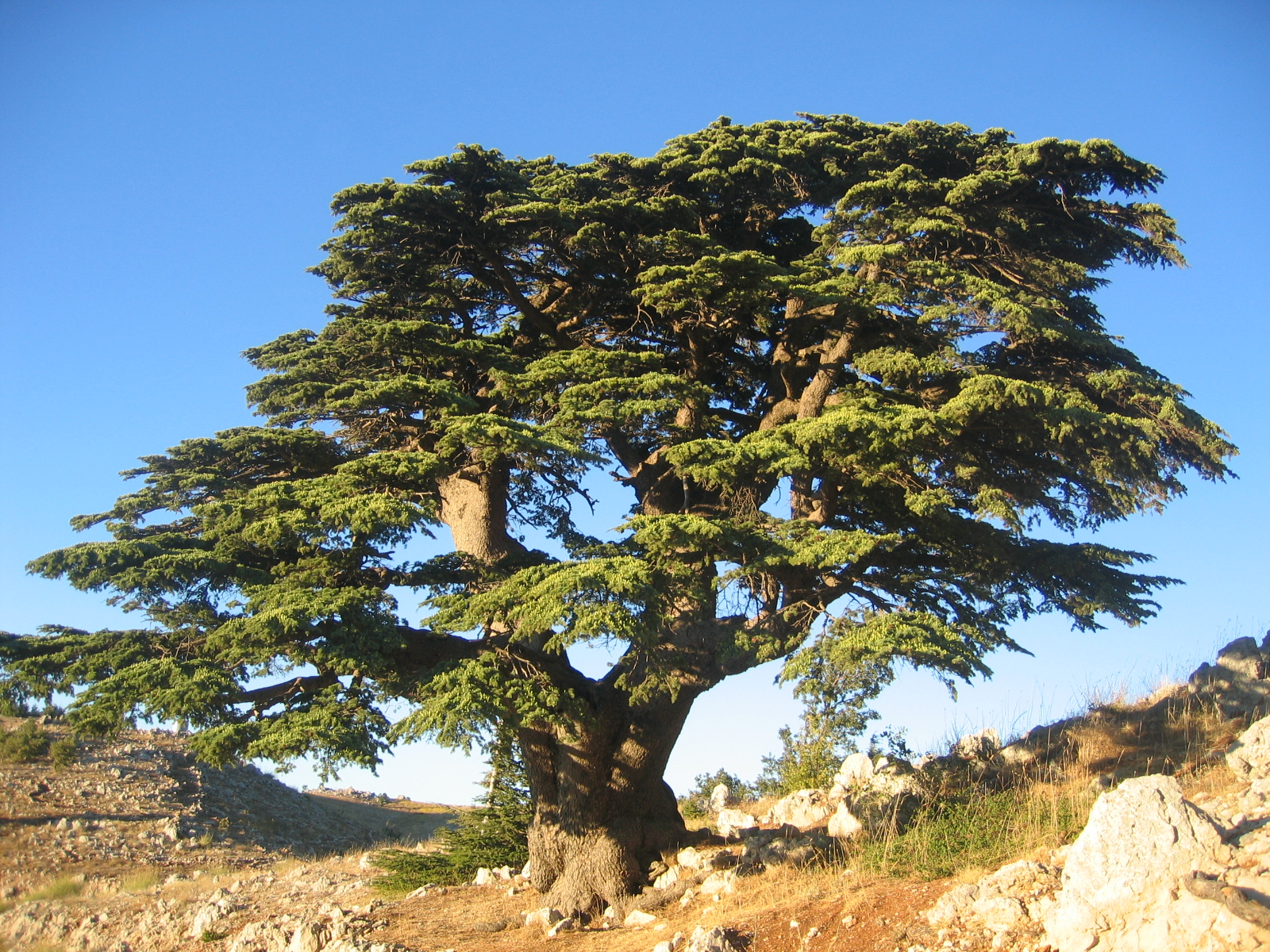
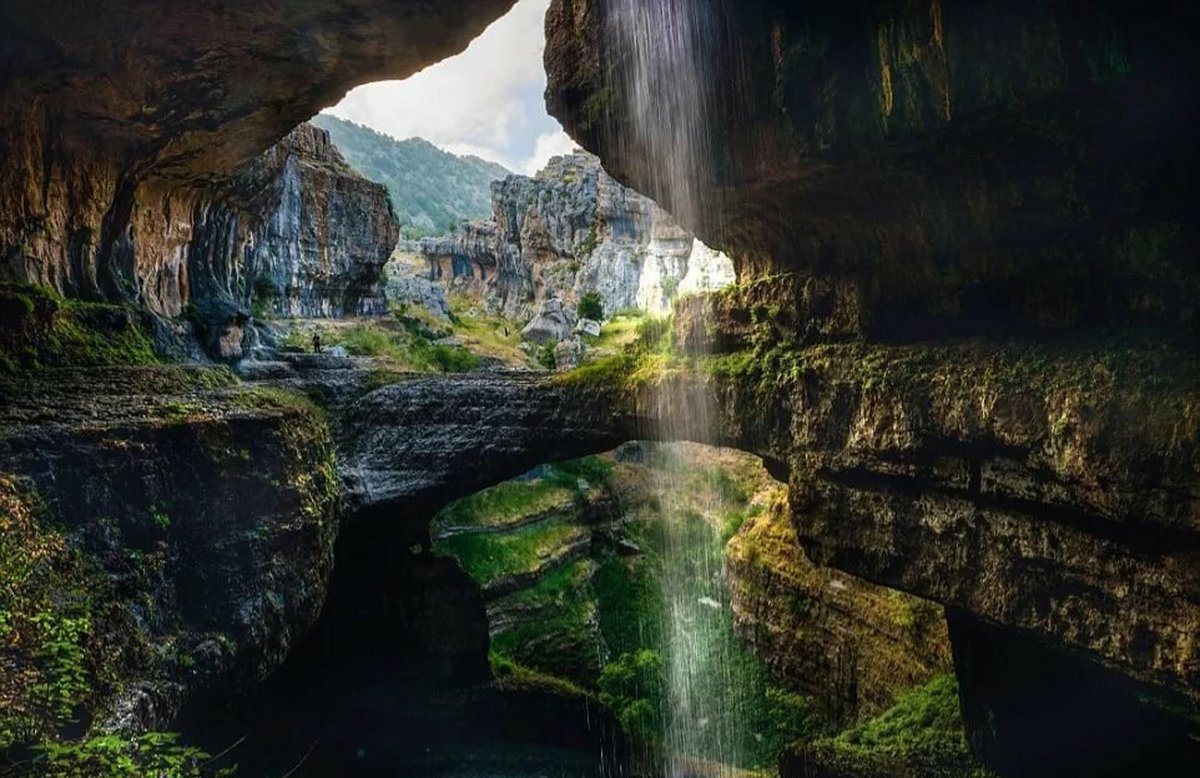
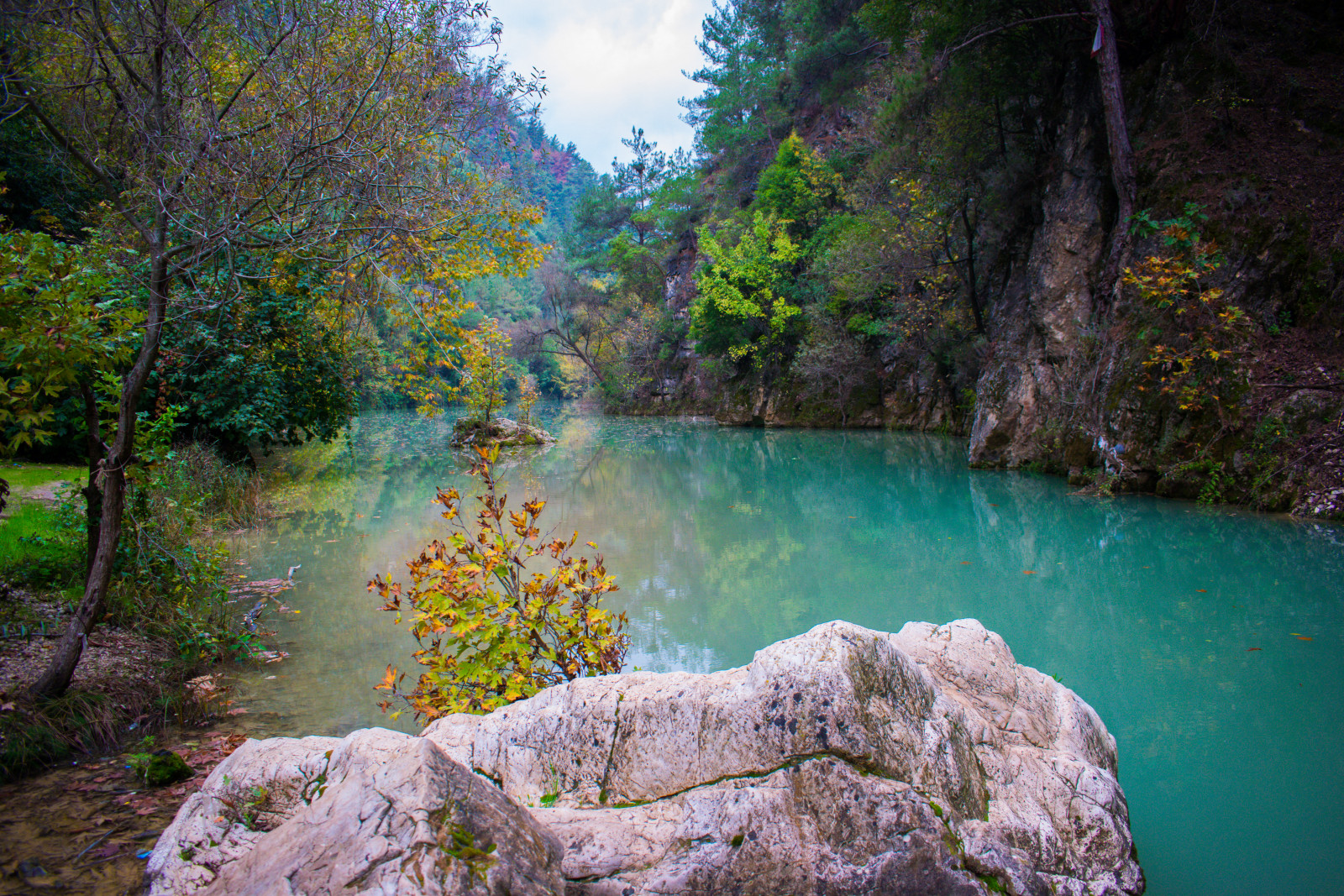
The Cedars of God is a UNESCO World Heritage site and one of Lebanon’s most iconic natural landmarks. Located near Bsharri in northern Lebanon, it is home to some of the last remaining ancient cedar trees, a species long celebrated in history, religion, and culture. These towering trees, some thousands of years old, are a symbol of Lebanon and have been prized since Phoenician times for their wood and spiritual significance. The forest is surrounded by mountain landscapes, hiking trails, and monasteries, offering visitors a peaceful retreat into nature and a chance to experience Lebanon’s pristine wilderness.
Why Visit the Cedars of God
-
Walk among ancient cedar trees, some over 1,000 years old.
-
Enjoy hiking trails that range from easy walks to moderate mountain treks.
-
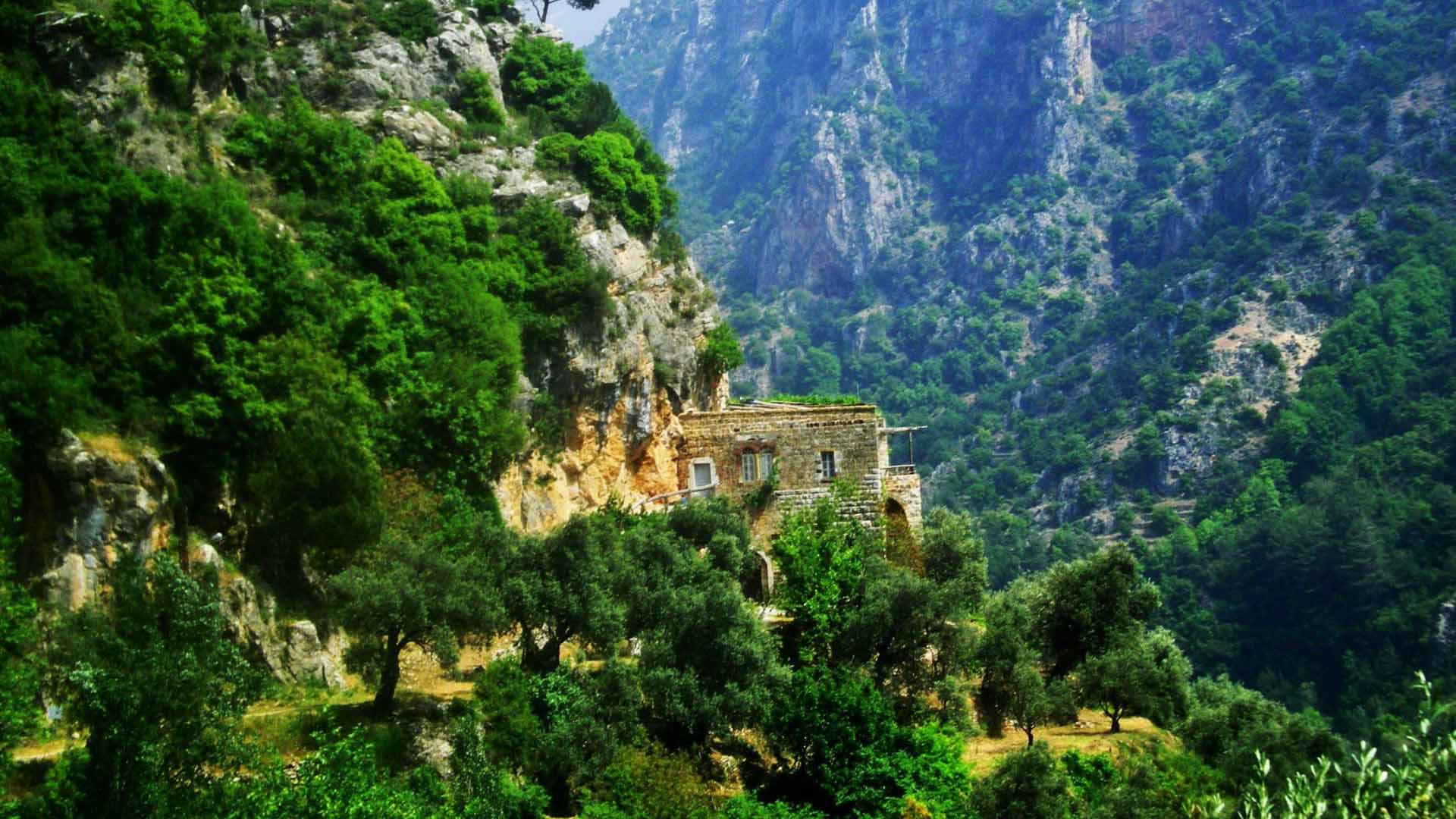
Explore nearby Qadisha Valley, home to historic monasteries and stunning gorges.
-
Photograph the majestic cedars against a backdrop of mountains and valleys.
-
Experience a site steeped in history, culture, and natural beauty.
Visitor Tips & Hacks
Best Time to Visit:
-
Spring and autumn for mild weather and clear skies.
-
Winter brings snow, which can be beautiful but may limit accessibility.
Time Needed:
-
Allocate 1.5–2 hours for walking among the trees and exploring the surrounding trails.
Accessibility & Walking Conditions:
-
Trails are generally well-marked, but paths can be uneven and rocky.
-
Wear comfortable walking shoes suitable for mountain terrain.
Combine With Nearby Attractions:
-
Qadisha Valley for hiking and visiting monasteries.
-
Bsharri village for cultural experiences, including the Khalil Gibran Museum.
Facilities:
-
Limited amenities; bring water and snacks.
-
Parking is available near the entrance.
Insider Tips:
-
Visit early in the morning to enjoy a quiet experience before tourist buses arrive.
-
Photography enthusiasts will find the best light in the morning or late afternoon.
-
Respect the protected environment; avoid touching the trees or removing natural elements.

.jpg)