Introduction:
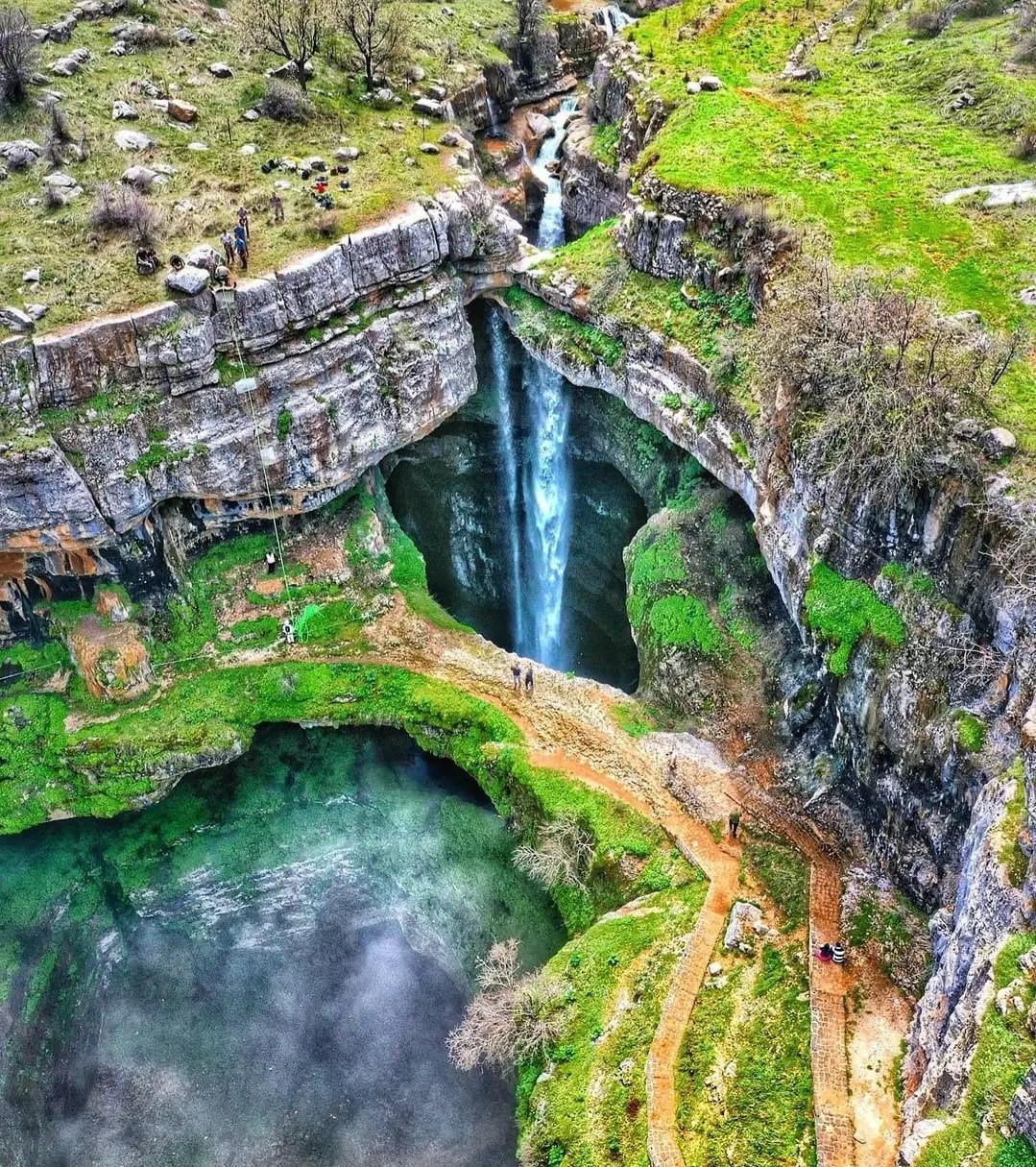
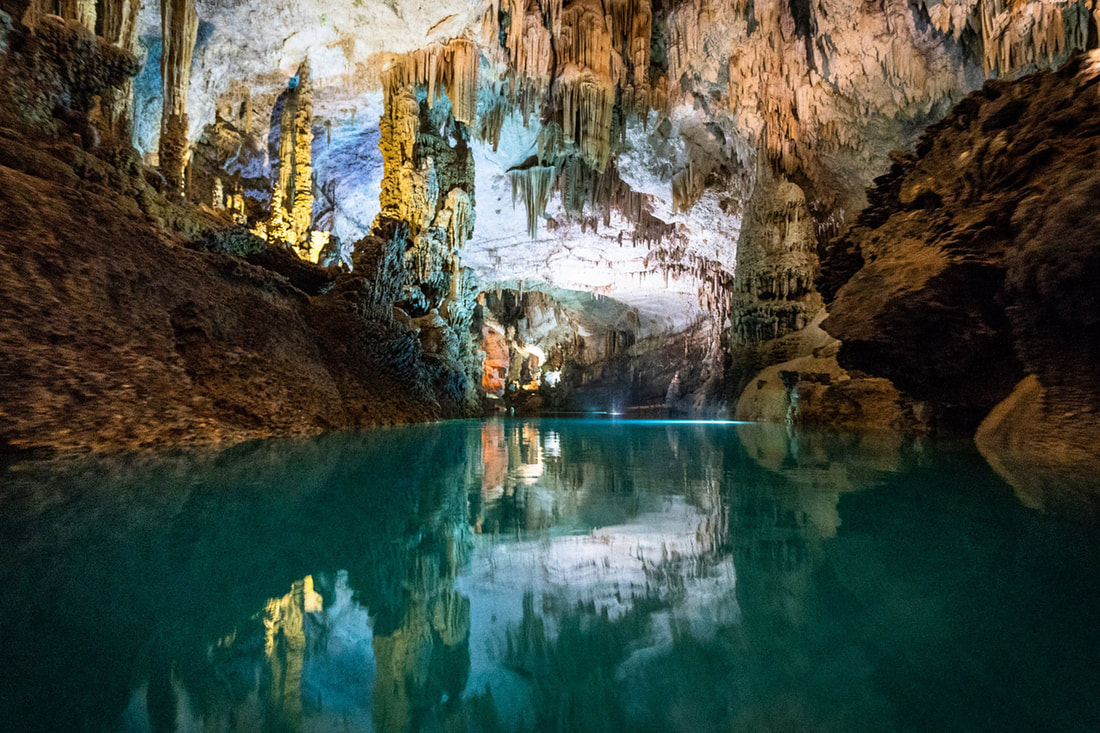
Jeita Grotto is Lebanon’s most iconic natural landmark and one of the most breathtaking cave systems in the Middle East. Located in the Keserwan region, about 20 kilometers north of Beirut, this extraordinary karst limestone formation consists of two interconnected caves: an upper gallery accessible by foot and a lower cave explored by boat along an underground river. Discovered in the 19th century and opened to the public in the 1950s, Jeita Grotto has become a symbol of Lebanon’s natural beauty and was even nominated as one of the New 7 Wonders of Nature. The grotto features massive stalactites and stalagmites, some of which are among the largest in the world, creating a surreal and almost cathedral-like underground landscape.
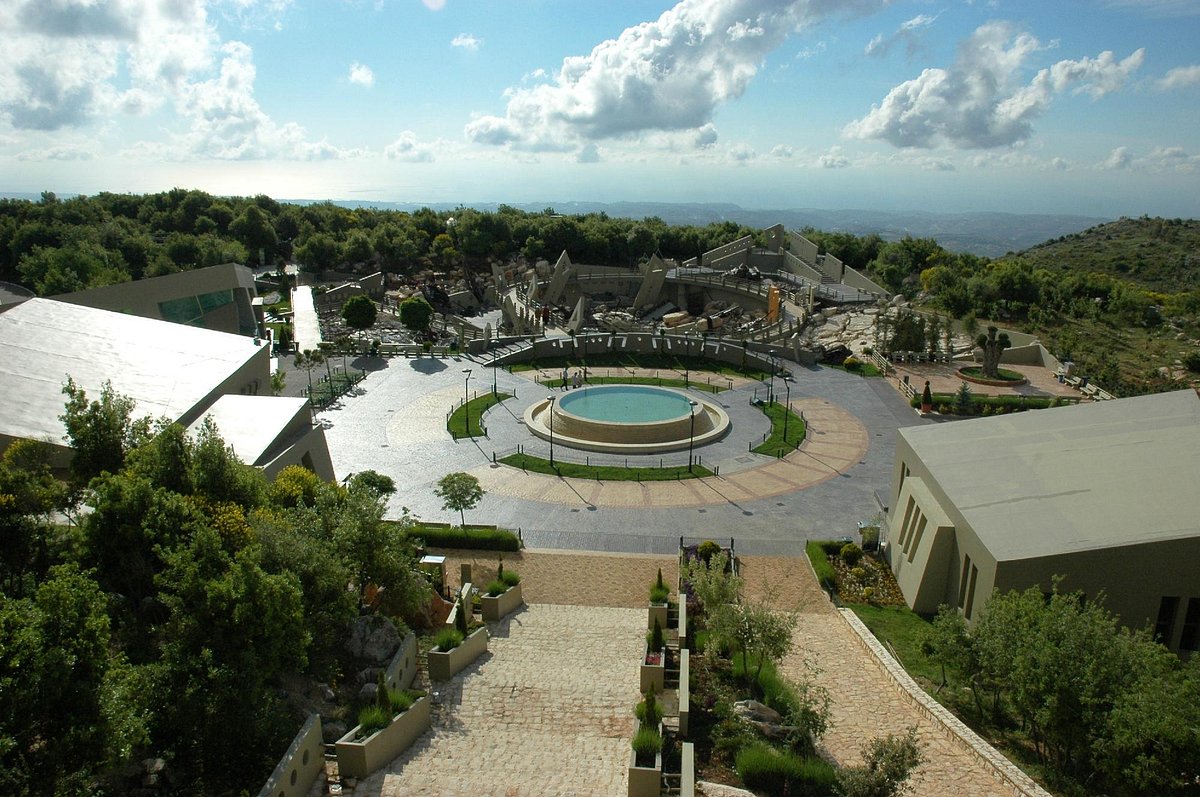
The site is beautifully maintained, with landscaped gardens, walking paths, and viewing platforms that enhance the visitor experience while preserving the cave’s delicate ecosystem.
What Tourists Actually Search For (Tips, Hacks & Practical Advice)
Best Time to Visit:
-
Spring and early autumn offer the best weather.
-
Arrive early (before 11 AM) to avoid peak crowds, especially on weekends and holidays.
Opening Hours & Entry:
-
Usually open from morning until late afternoon (closed Mondays in winter — check ahead).
-
Tickets include access to both upper and lower caves (weather permitting).
Photography Policy:
-
Photography is strictly prohibited inside the caves to protect the formations. Lockers are provided for cameras and phones if required.
Accessibility & Walking Conditions:
-
The upper cave involves walking on paved paths with some inclines and stairs.
-
The lower cave requires stepping into a small boat; not suitable for visitors with serious mobility issues.
-
Comfortable walking shoes are strongly recommended.
How Long to Spend:
-
Plan for 1.5 to 2 hours to fully enjoy both caves and surrounding gardens.
Combine with Nearby Attractions:
-
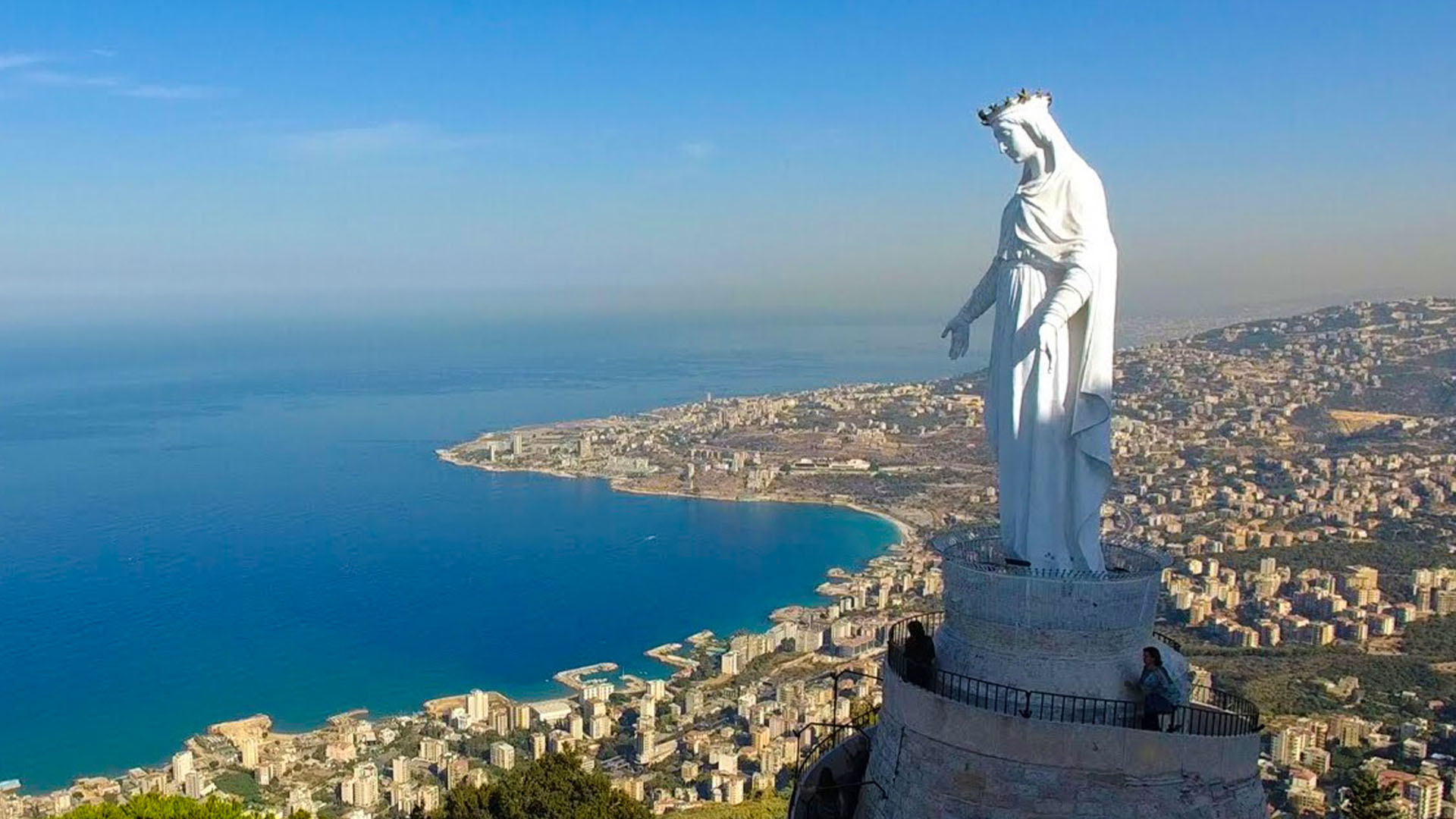
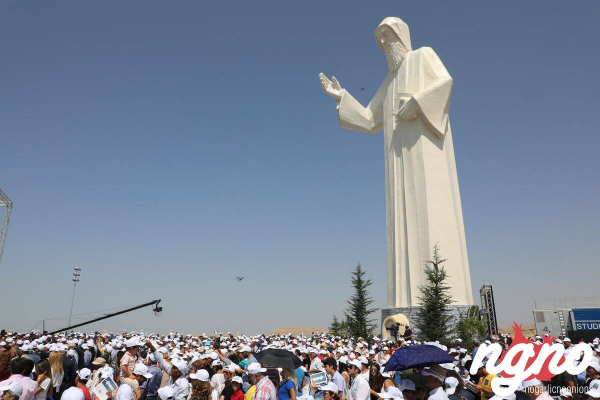
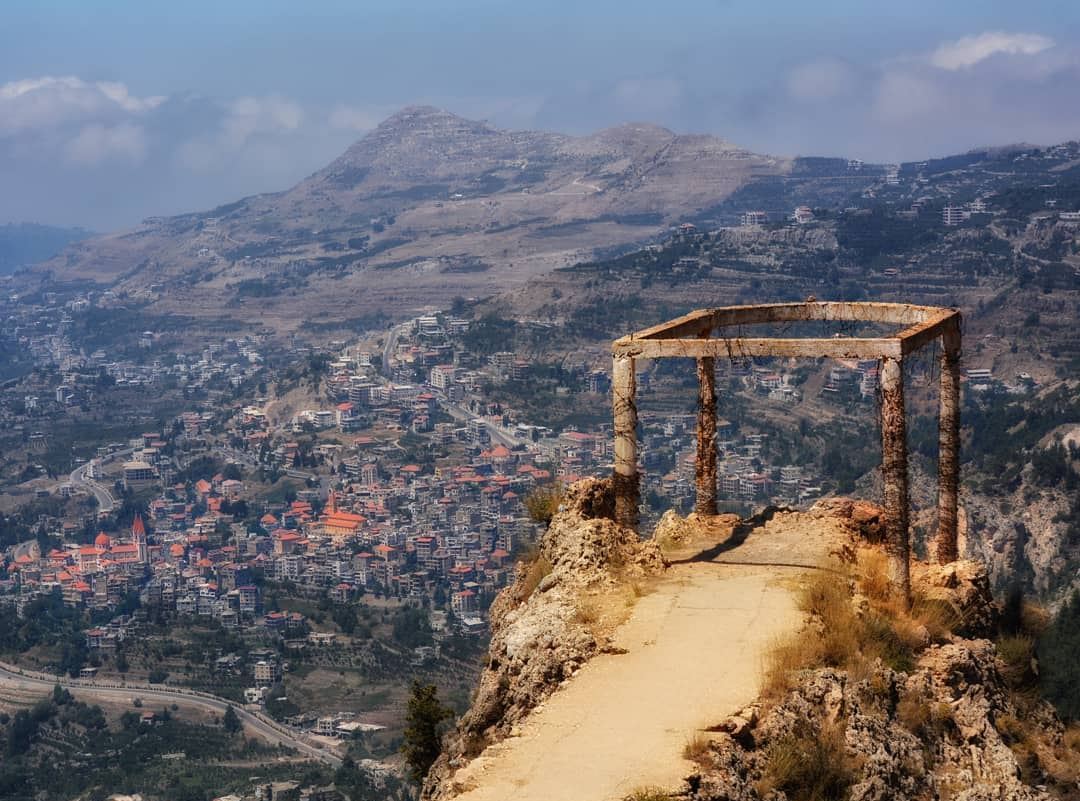
Easily combined with Harissa (Our Lady of Lebanon Shrine) for panoramic coastal views.
-
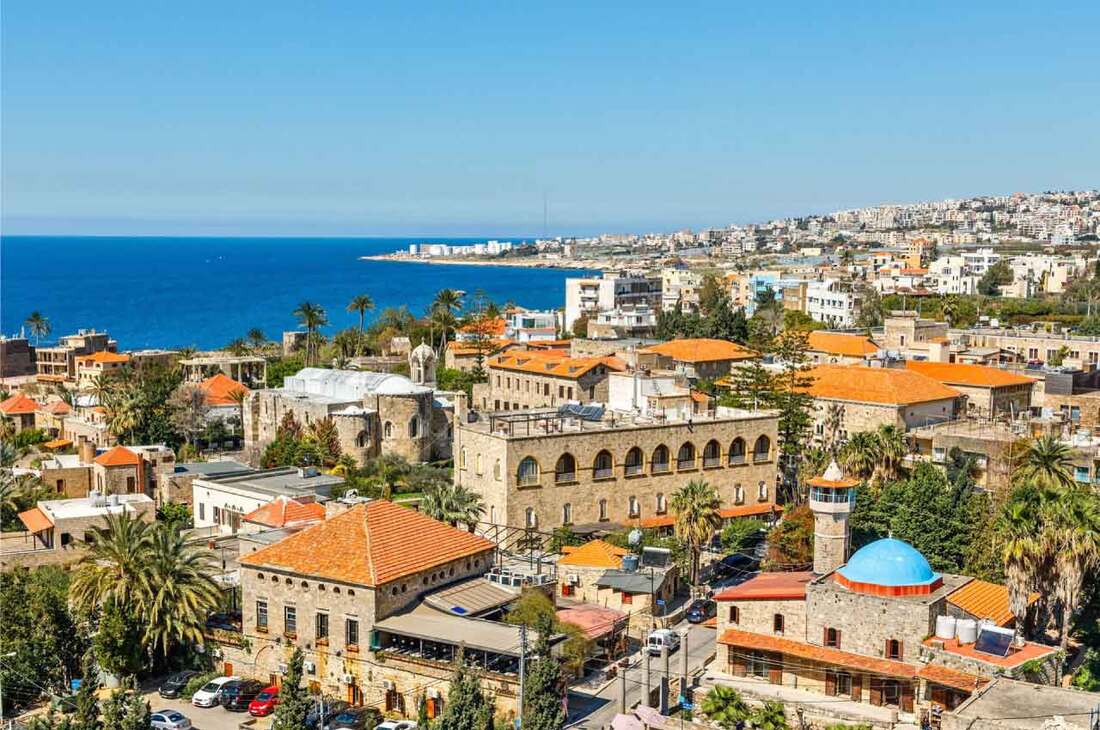
Can be paired with Byblos for a full-day northern Lebanon itinerary.
Facilities On-Site:
-
Restrooms, souvenir shops, snack kiosks, and a small train that transports visitors from the entrance to the cave area.
-
Parking available on-site.
Insider Tip:
-
If the underground river water level rises too high in winter, the lower cave boat ride may temporarily close — always check conditions in advance.
.jpg)