Overview
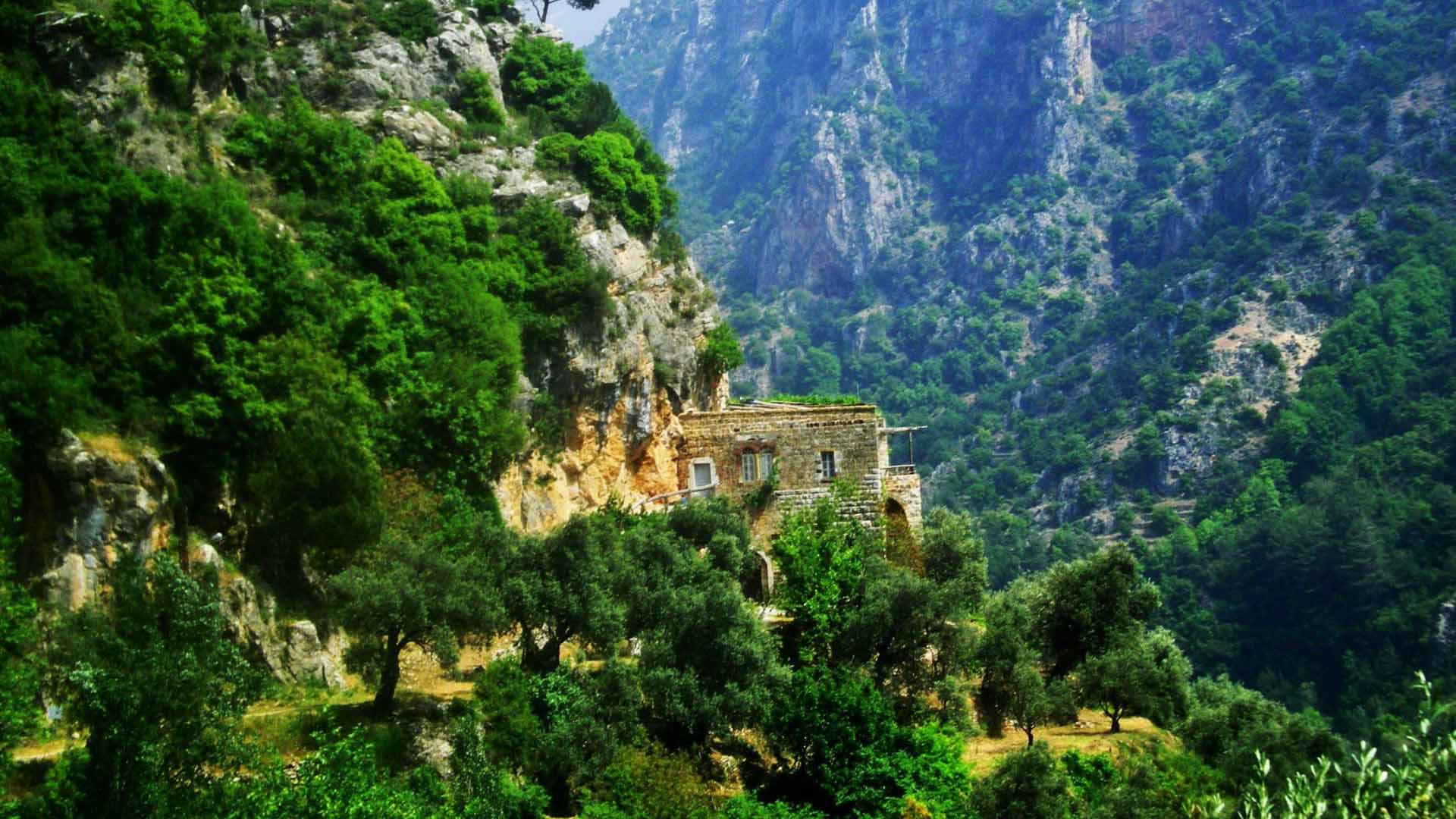
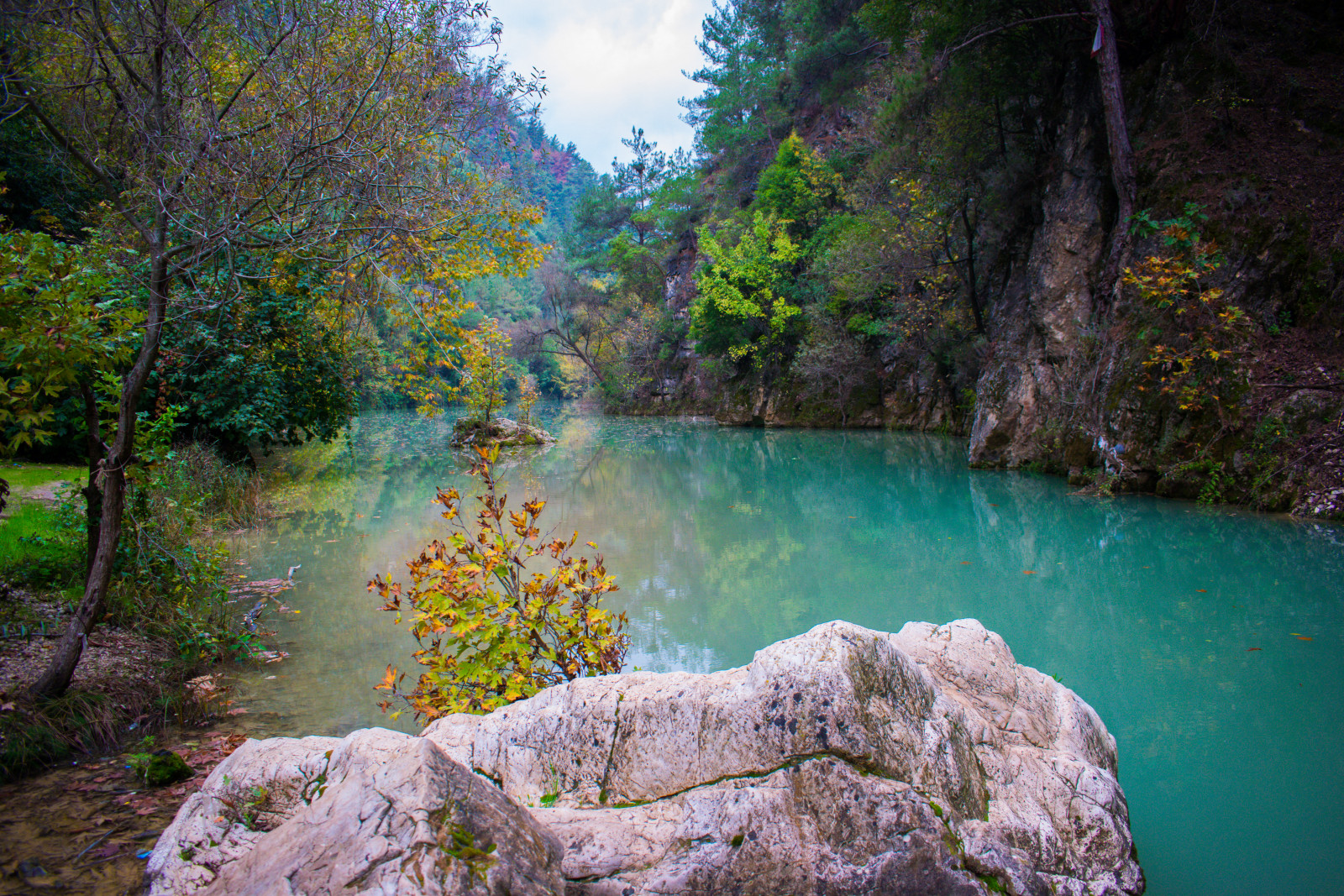
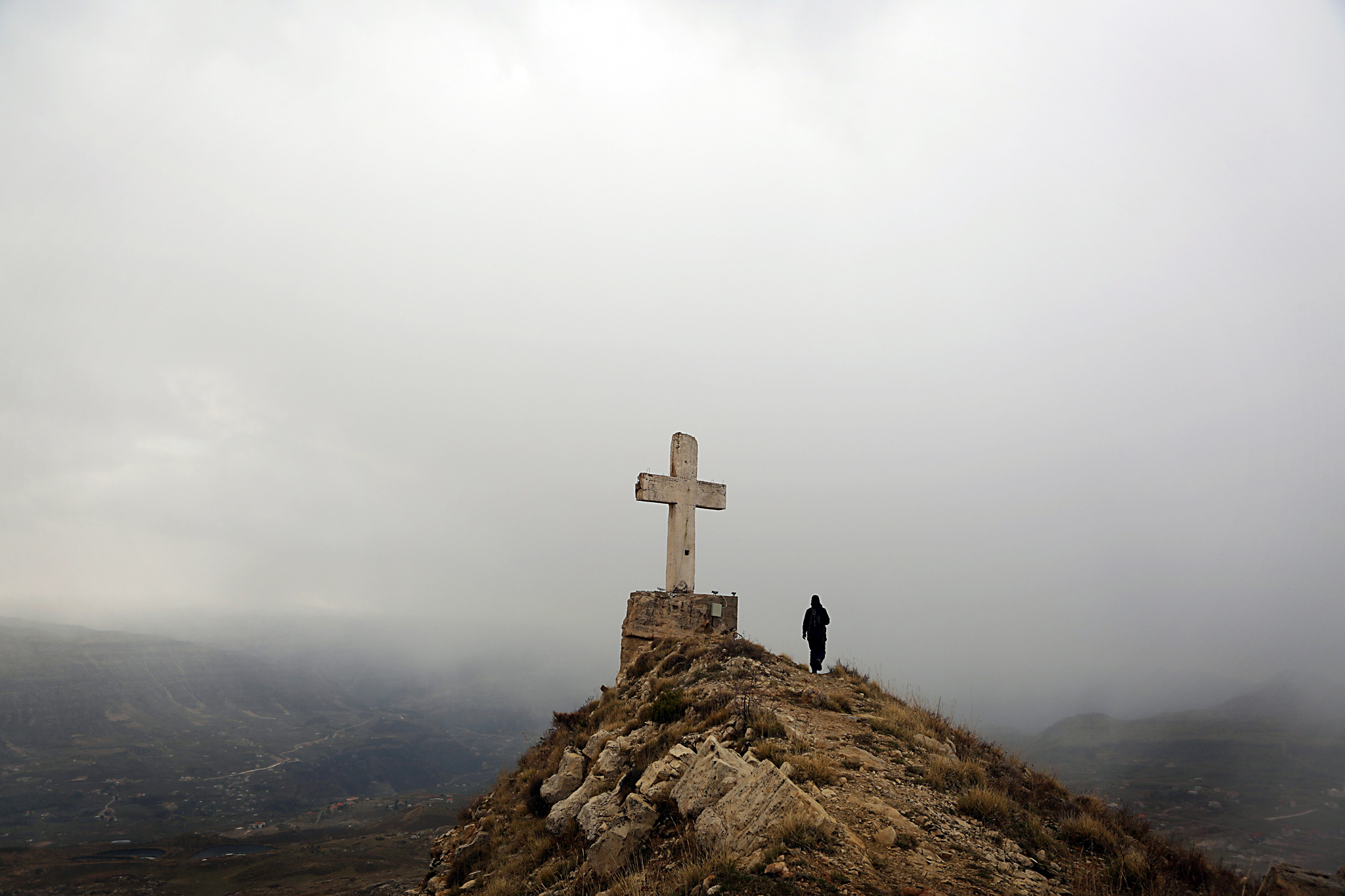
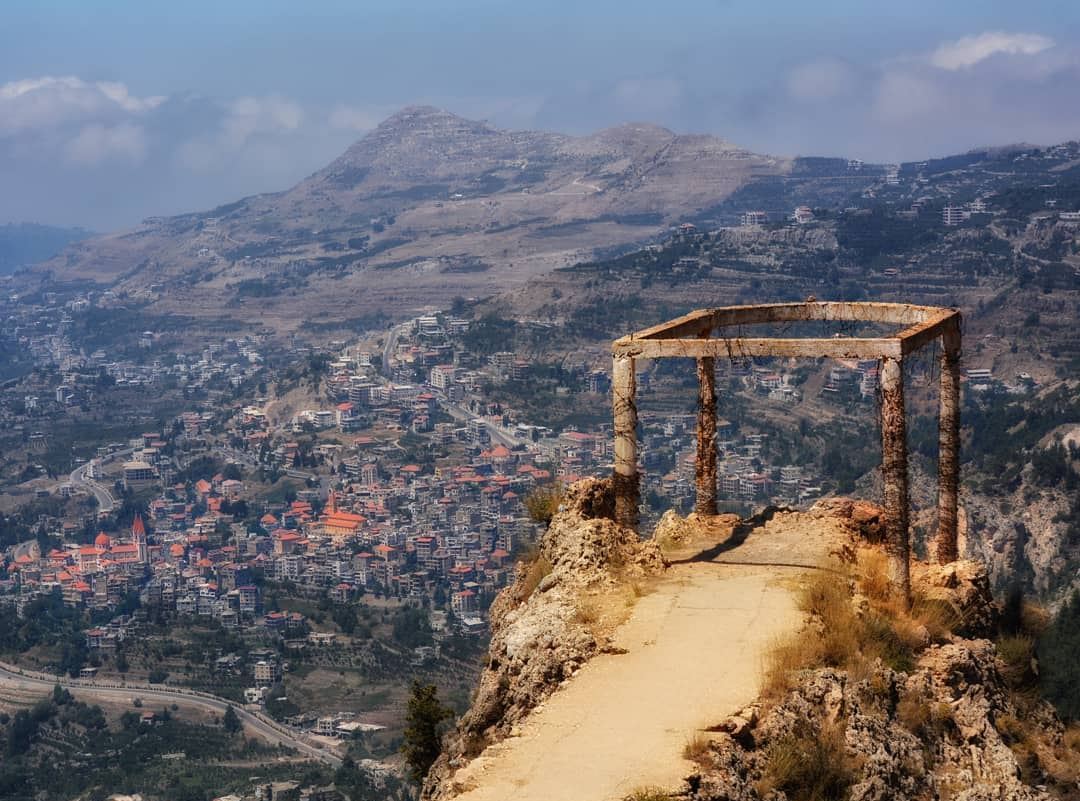
Qadisha Valley, also known as the Holy Valley, is a UNESCO World Heritage site located in northern Lebanon near the Cedars of God. The valley is a dramatic gorge carved by the Qadisha River, surrounded by steep cliffs, lush forests, and mountain peaks. It is renowned for its ancient monasteries, hermitages, and religious retreat sites, some dating back over a thousand years. Visitors are drawn to Qadisha Valley for its spiritual significance, natural beauty, and hiking opportunities, making it one of Lebanon’s most unique destinations for both cultural and nature tourism.
Why Visit Qadisha Valley
-
Explore historic monasteries such as Monastery of Mar Elisha and Qannubin Monastery, rich in religious and cultural heritage.
-
Hike through picturesque trails with dramatic cliff views and natural beauty.
-
Experience a tranquil and spiritual atmosphere, ideal for reflection and photography.
-
Combine history and nature, as the valley blends ancient architecture with stunning landscapes.
-
Observe traditional mountain villages and local life nestled in the cliffs.
Visitor Tips & Hacks
Best Time to Visit:
-
Spring and autumn for mild weather, lush greenery, and clear trails.
-
Avoid extreme heat in summer or slippery conditions in winter.
Time Needed:
-
Plan 2–4 hours to explore the main monasteries and some of the hiking trails.
Accessibility & Walking Conditions:
-
Some trails are moderate to challenging; proper hiking shoes recommended.
-
Certain monasteries are accessible by car, while others require short hikes.
Guided Tours:
-
Local guides can provide rich historical context about the monasteries and early Christian communities.
-
Guided tours often include a visit to Cedars of God or surrounding villages.
Combine With Nearby Attractions:
-
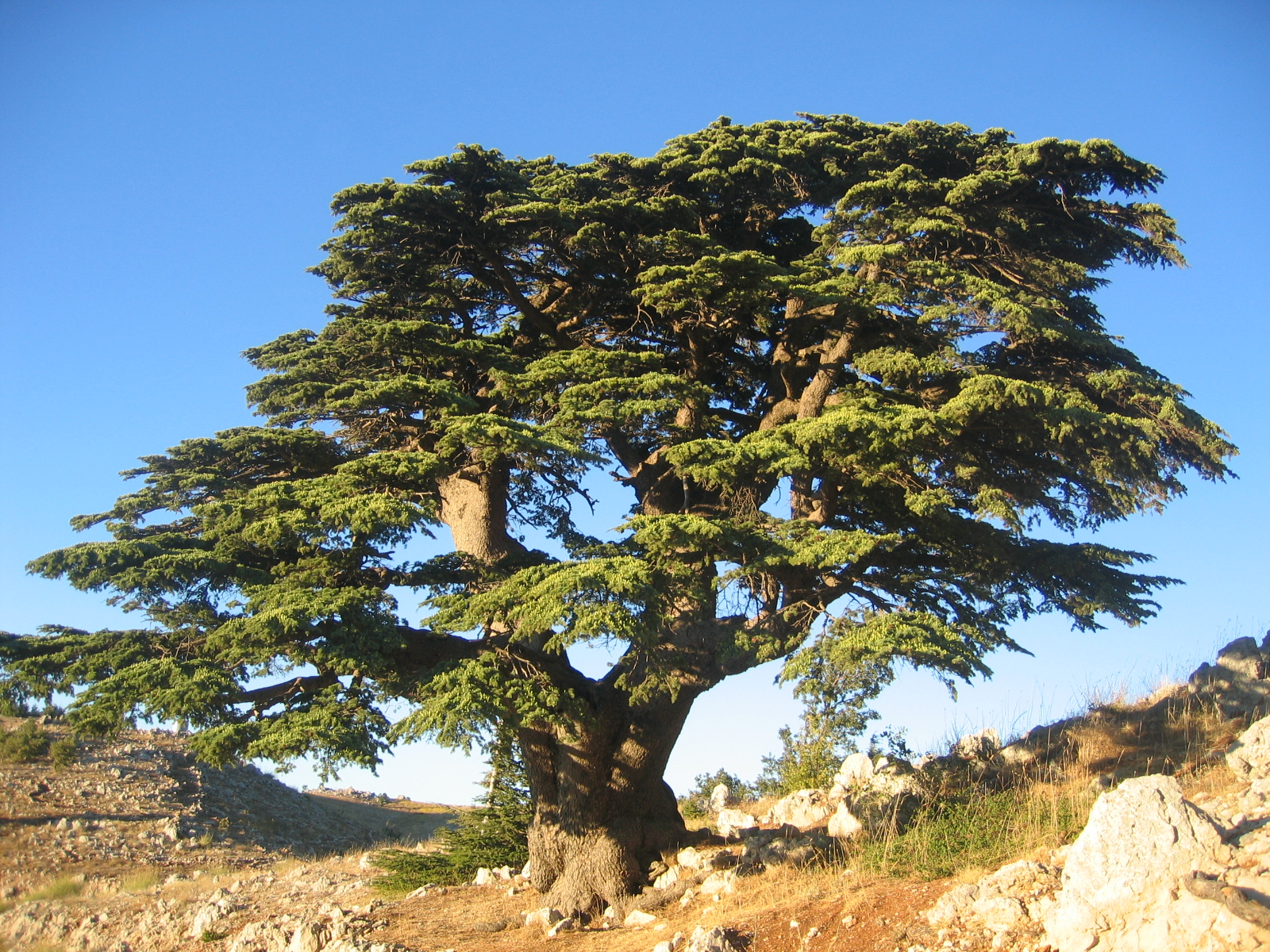
Cedars of God for a nature-focused day.
-
Bsharri village to explore local culture and the Khalil Gibran Museum.
Facilities:
-
Limited amenities in the valley itself; bring water and snacks.
-
Parking is available at major monastery entrances.
Insider Tips:
-
Visit early to avoid tour groups and enjoy a quiet experience.
-
Photography is spectacular in the morning or late afternoon when sunlight enhances the cliffs.
-
Respect religious sites and local customs, especially during prayer times.

.jpg)