Overview
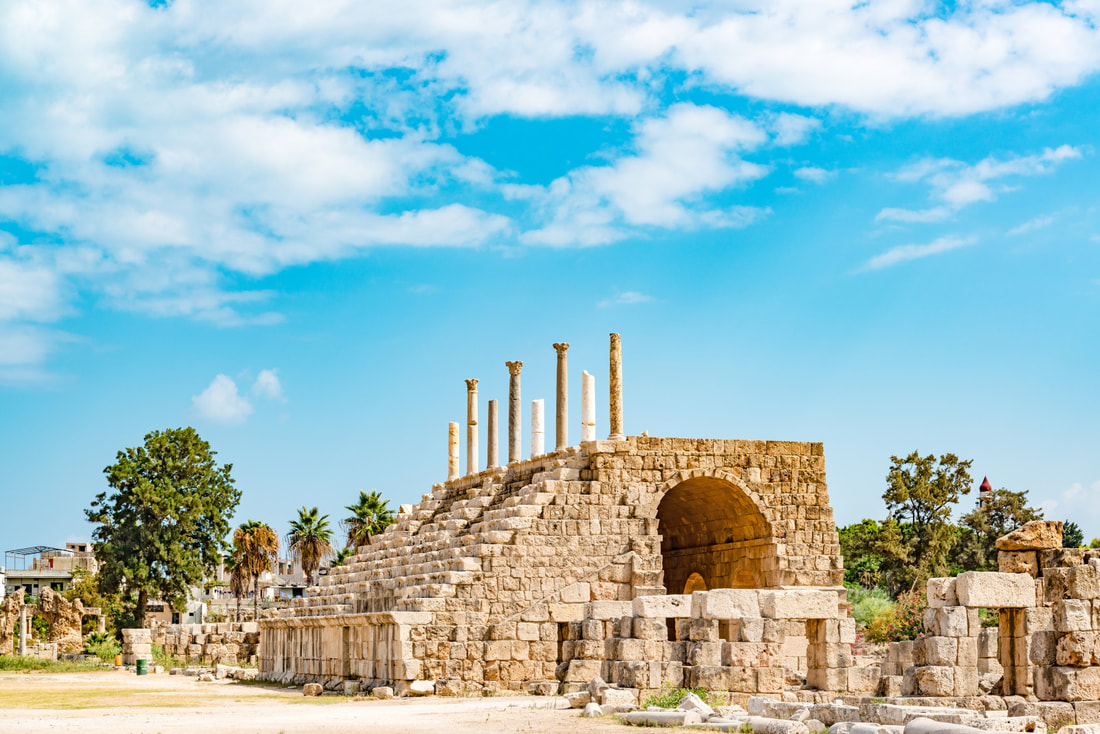
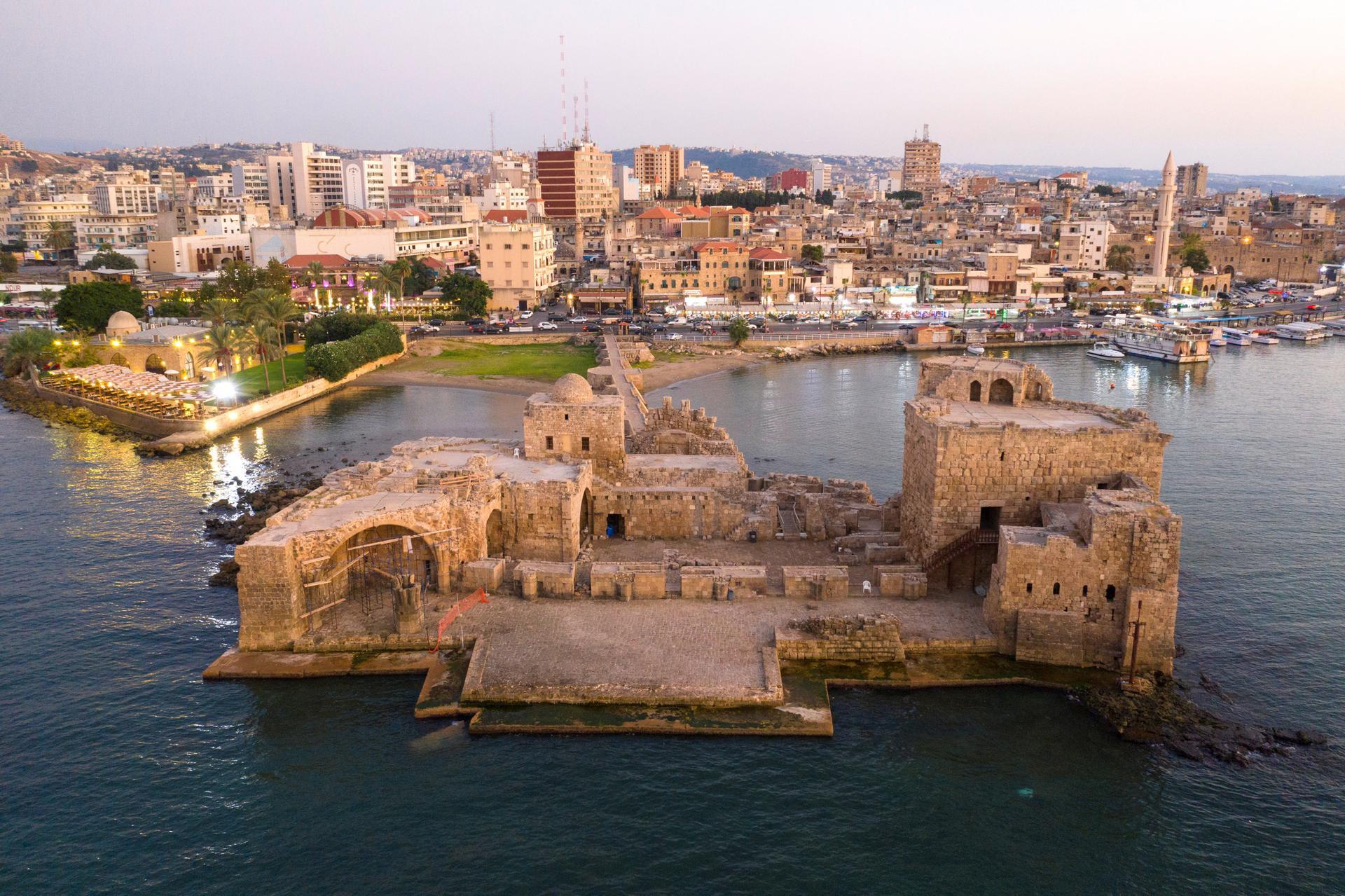
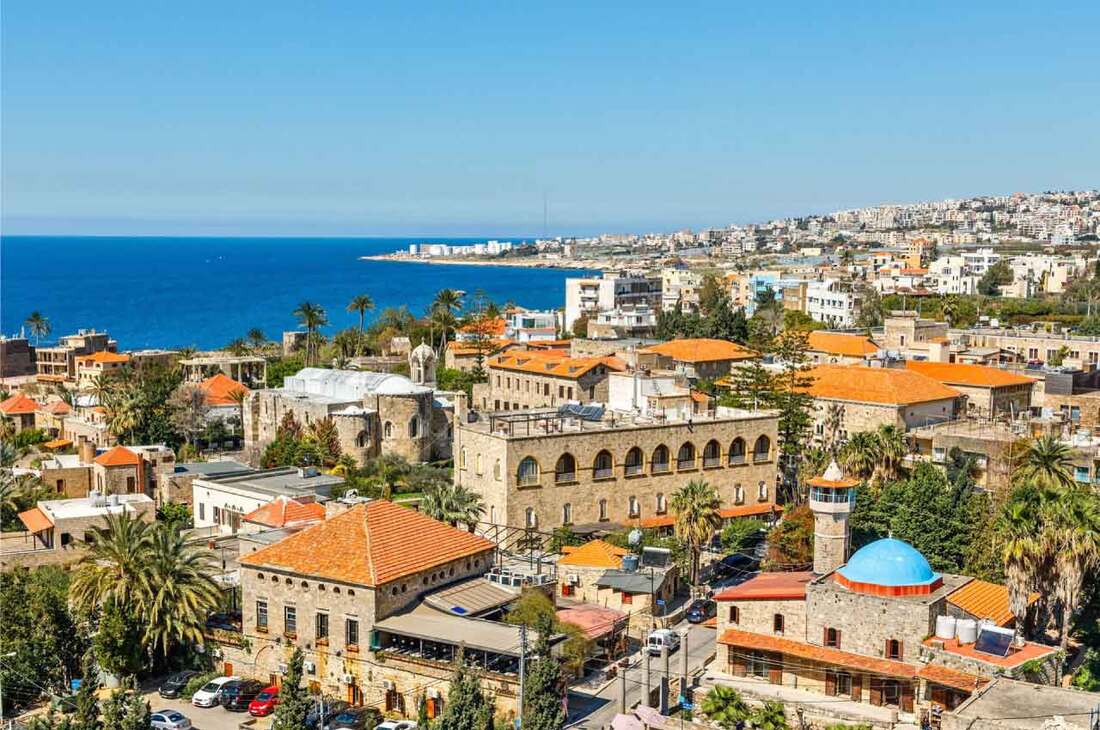
Tyre, located on Lebanon’s southern Mediterranean coast, is one of the ancient Phoenician cities and a UNESCO World Heritage site. Known for its archaeological ruins, Roman-era sites, and beautiful beaches, Tyre offers a unique blend of history, culture, and seaside leisure. Visitors can explore the city’s Roman hippodrome, necropolis, ancient souks, and Crusader-era fortifications, while enjoying the charming Mediterranean atmosphere. Tyre is a destination that appeals to history enthusiasts, beach lovers, and travelers seeking a blend of culture and relaxation.
Why Visit Tyre
-
Explore ancient Roman ruins, including the Roman Hippodrome and colonnaded streets.
-
Visit the Tyre Necropolis and archaeological museum for Phoenician history.
-
Relax on Tyre’s sandy beaches, some of the most pristine along Lebanon’s southern coast.
-
Stroll through the old city and souks, where local crafts and traditional Lebanese culture thrive.
-
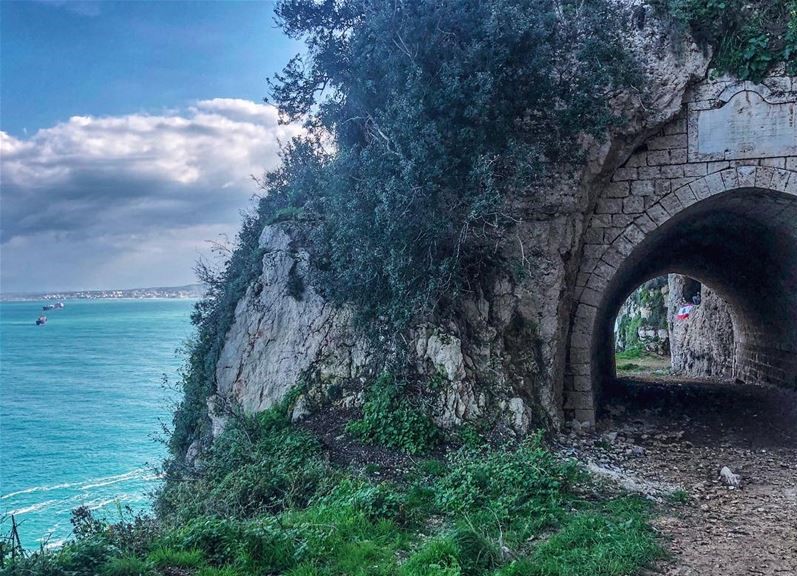
Discover historical Crusader forts and coastal viewpoints, perfect for photography.
Visitor Tips & Hacks
Best Time to Visit:
-
Spring (March–May) and autumn (September–November) for pleasant weather.
-
Summer offers beach-friendly temperatures but can be hot and crowded.
Time Needed:
-
Plan 3–4 hours to explore the ruins, old city, and nearby beaches.
Accessibility & Walking Conditions:
-
Archaeological sites have uneven terrain; wear comfortable walking shoes.
-
Some sites are accessible by car, but walking is needed to explore the ruins fully.
Combine With Nearby Attractions:
-
Sidon (Saida) for a historical and cultural day trip.
-
Drive along the southern coast to explore nearby villages and coastal views.
Facilities:
-
Restaurants, cafés, and small shops are available near the old city.
-
Parking is generally available at major archaeological sites.
Insider Tips:
-
Visit the Roman Hippodrome in the morning to avoid crowds and enjoy cooler temperatures.
-
Try local seafood at harbor-side restaurants for an authentic coastal experience.
-
Respect the archaeological sites and avoid climbing on fragile ruins.


.jpg)