Middle East
About Lebanon -- Where Ancient History Meets Modern Culture
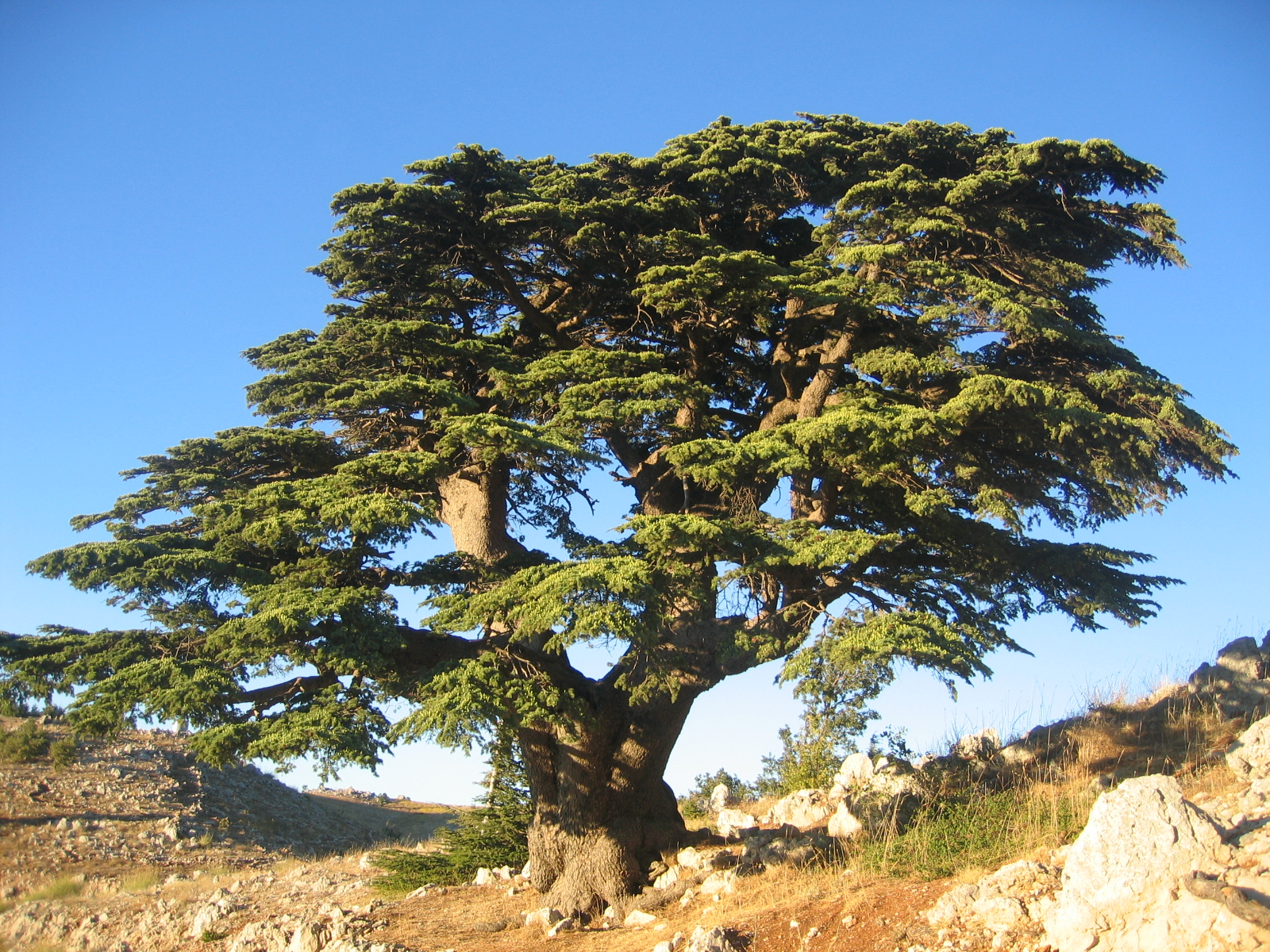
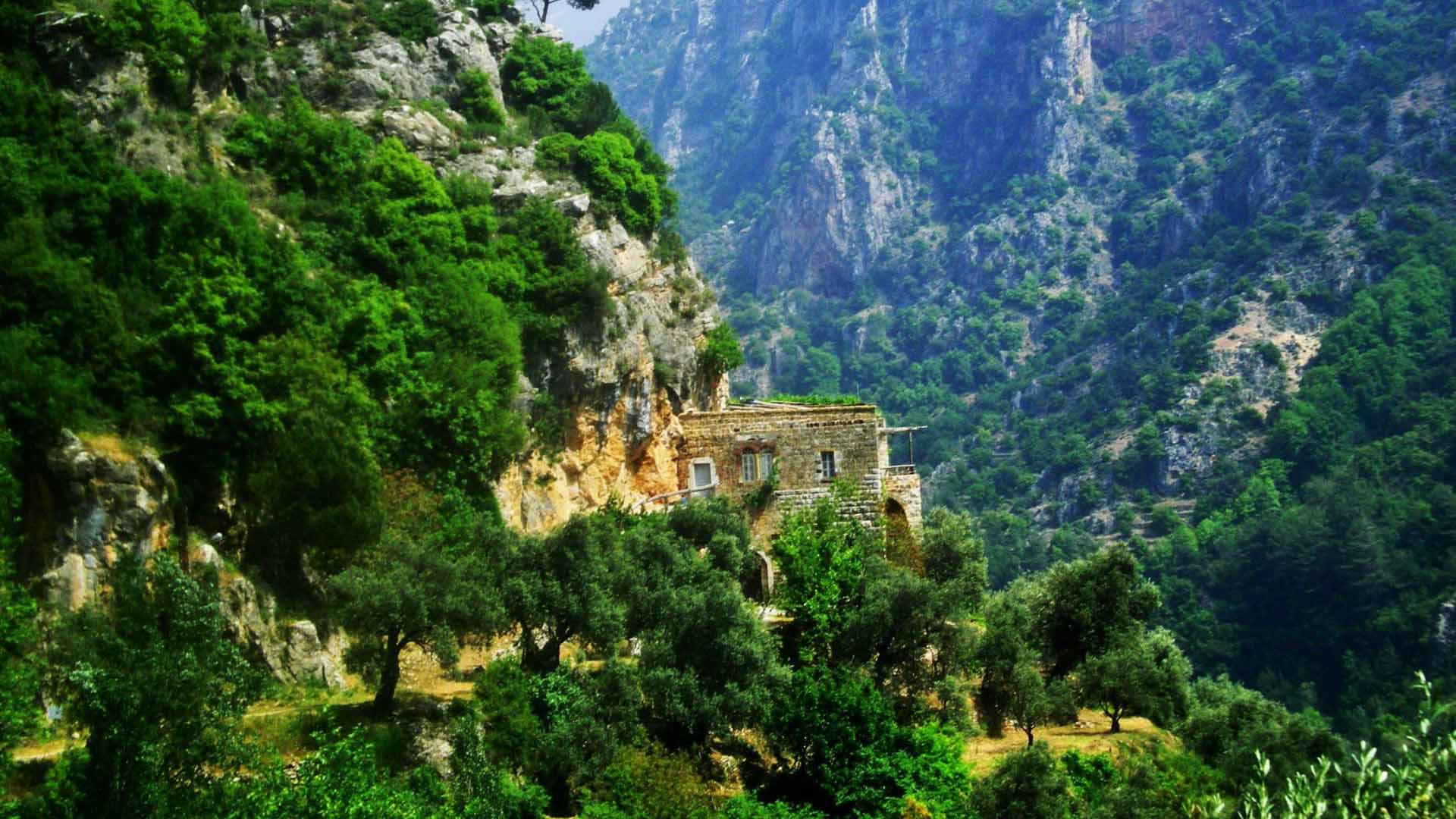
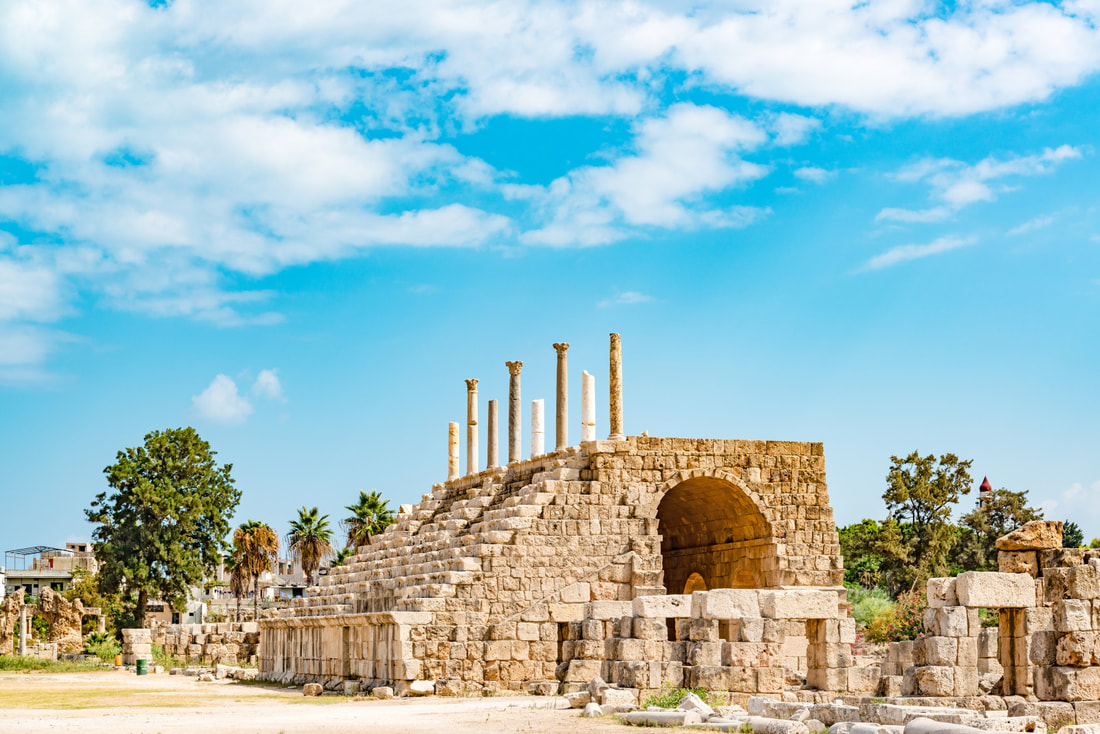
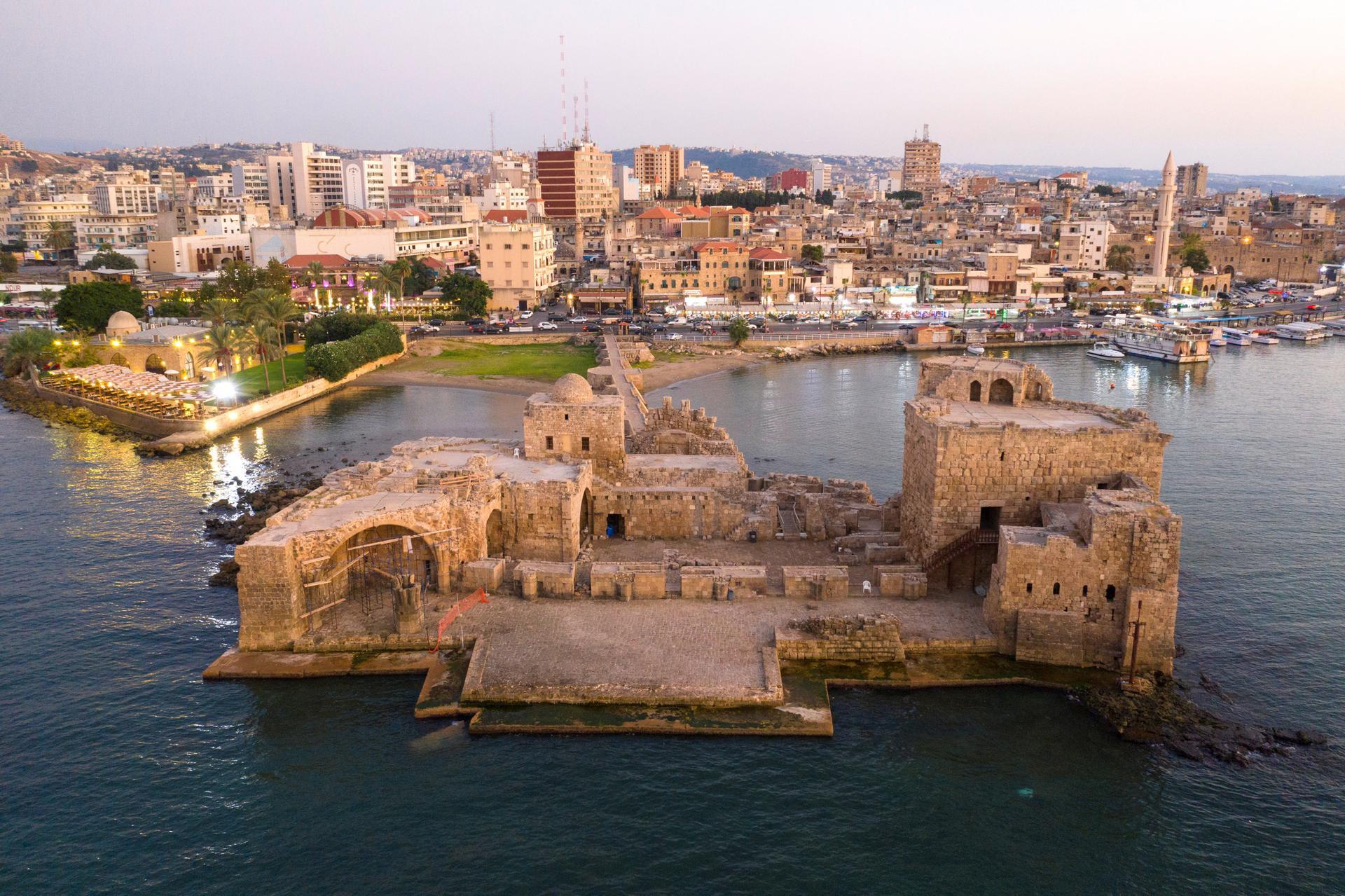
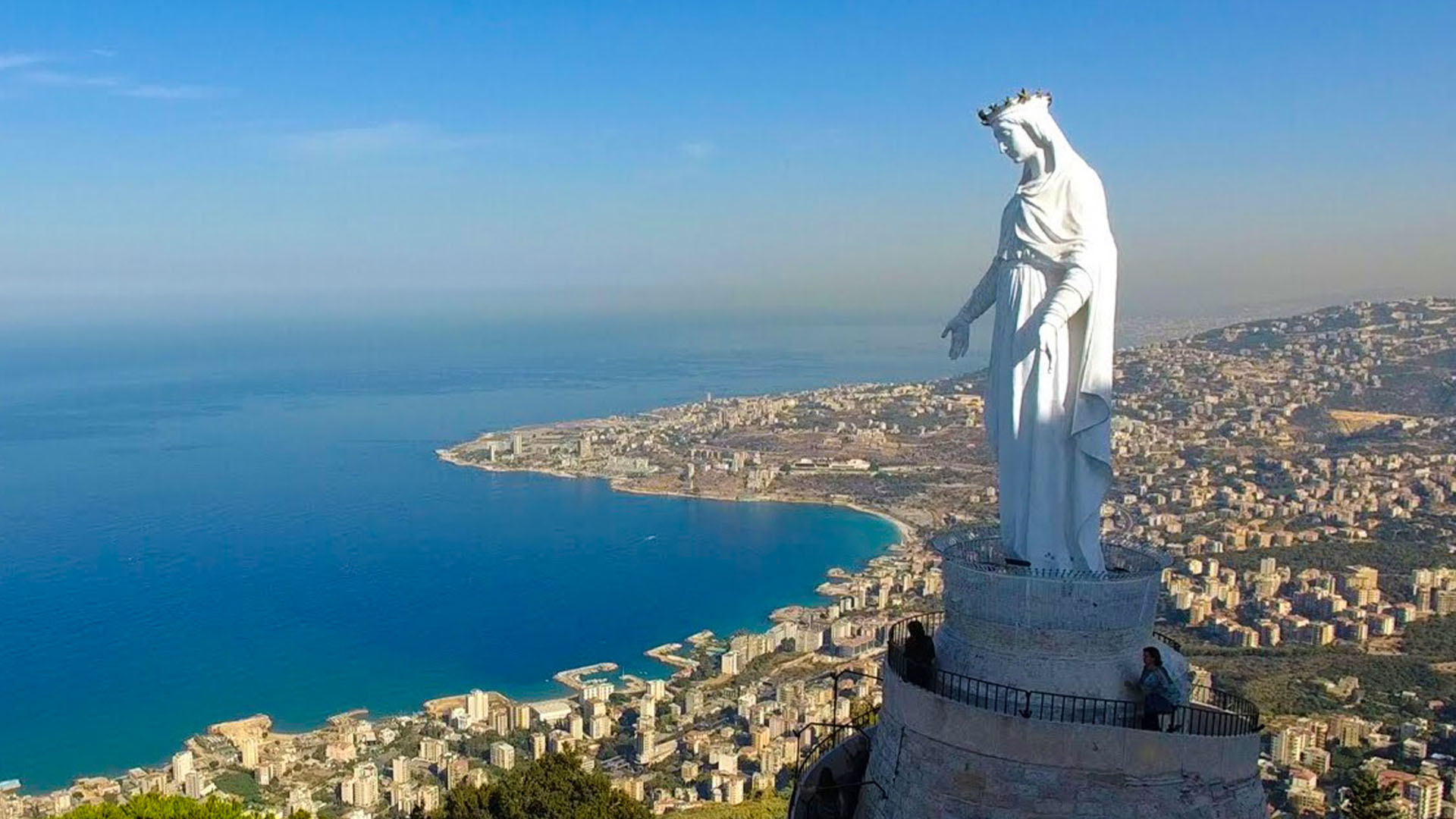
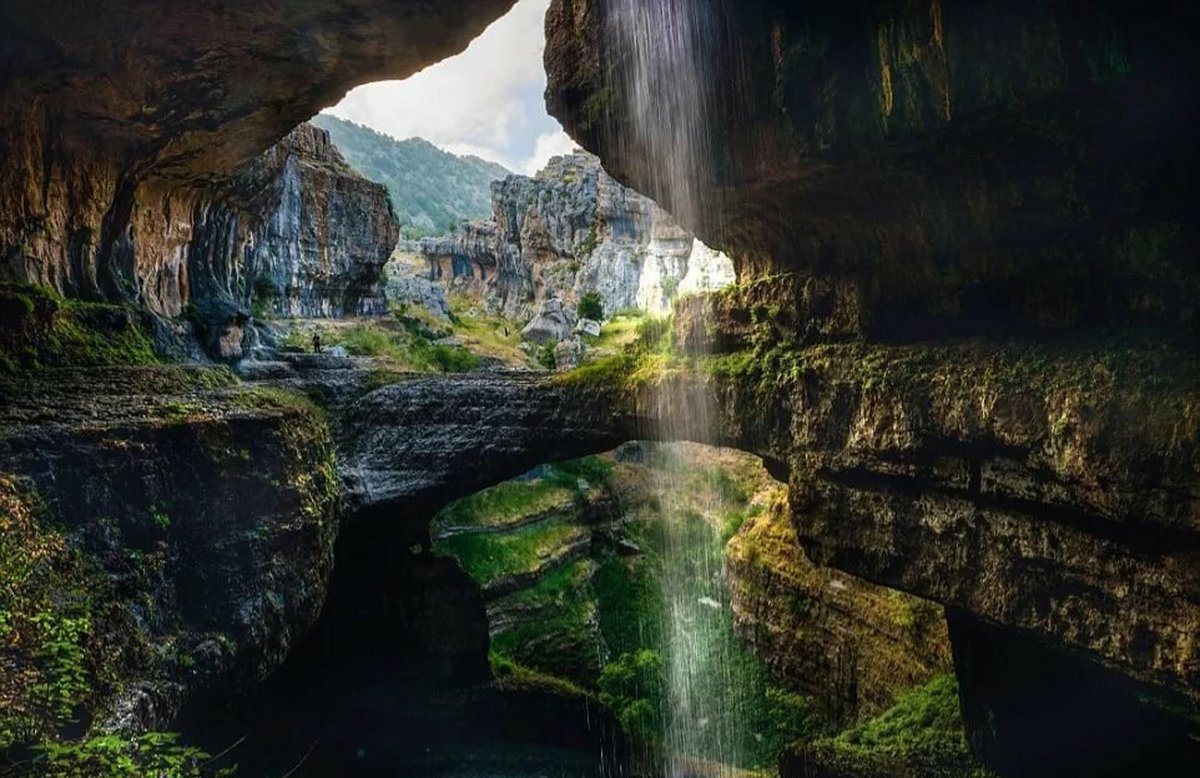
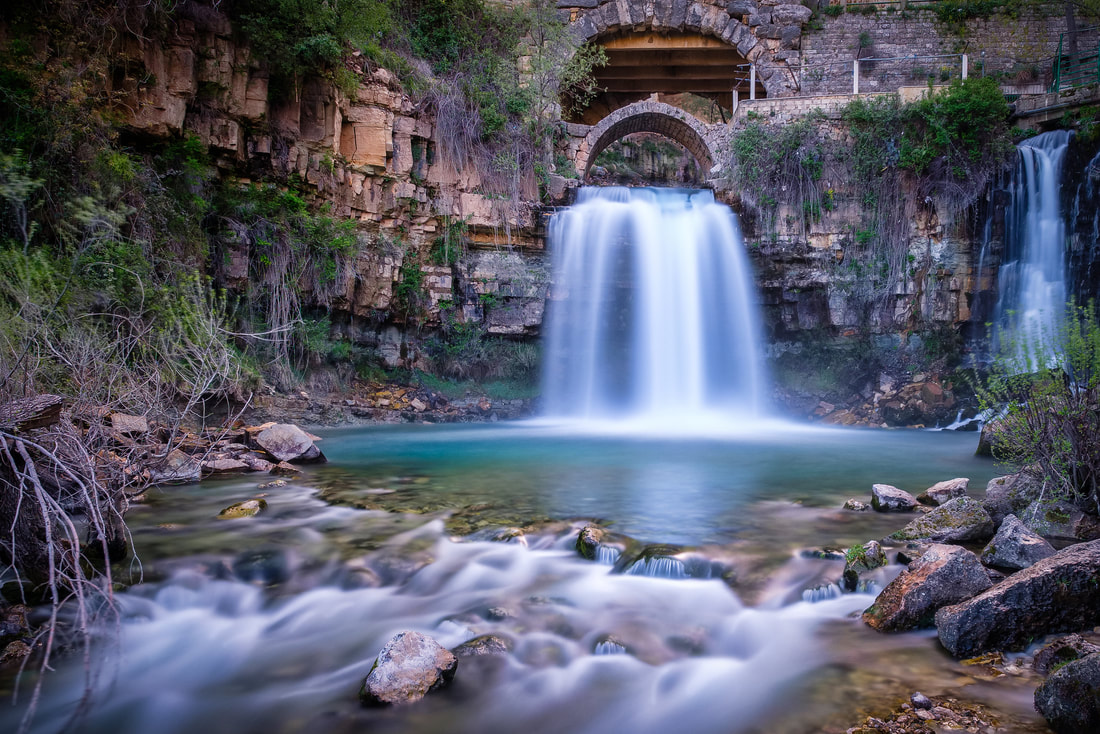
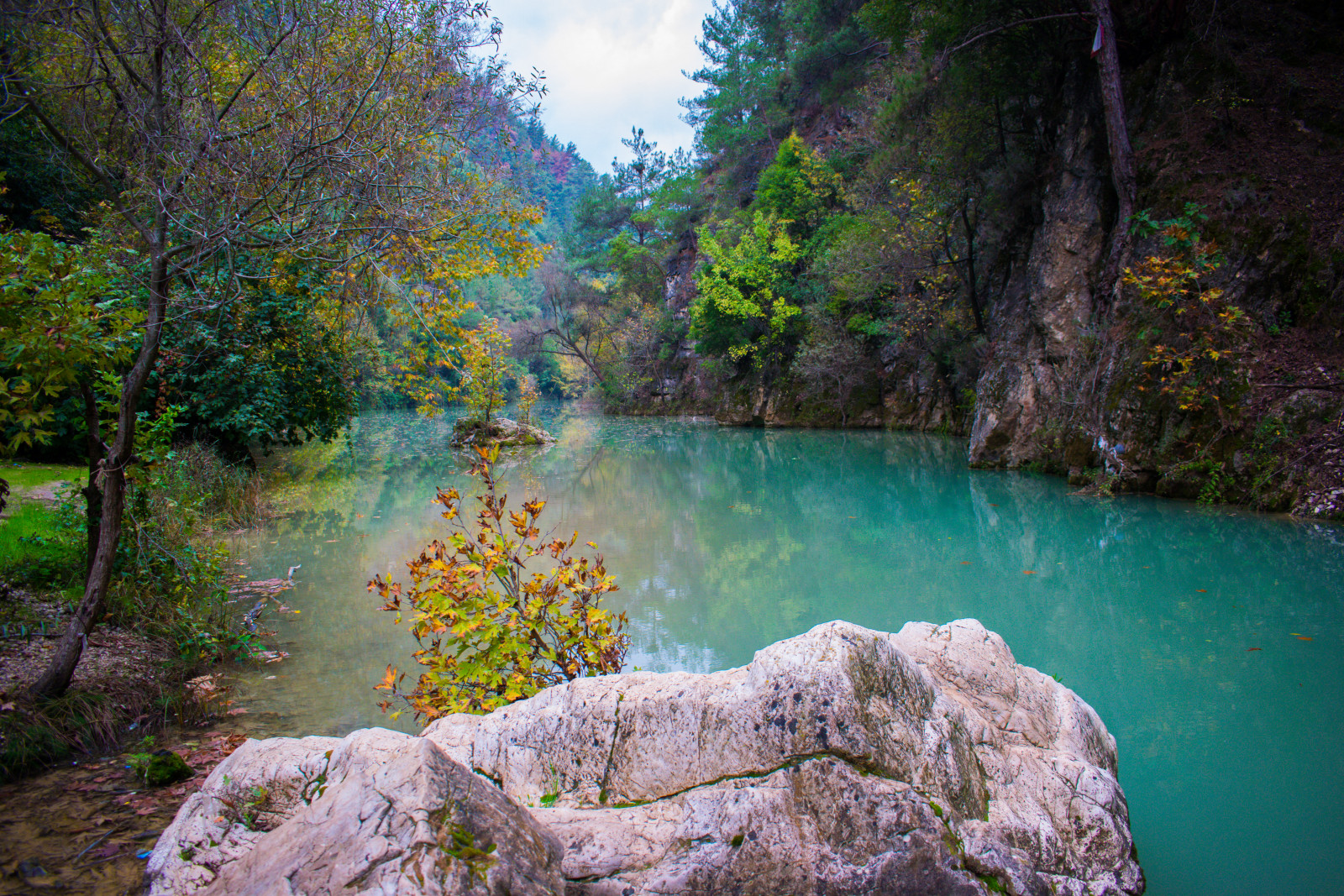
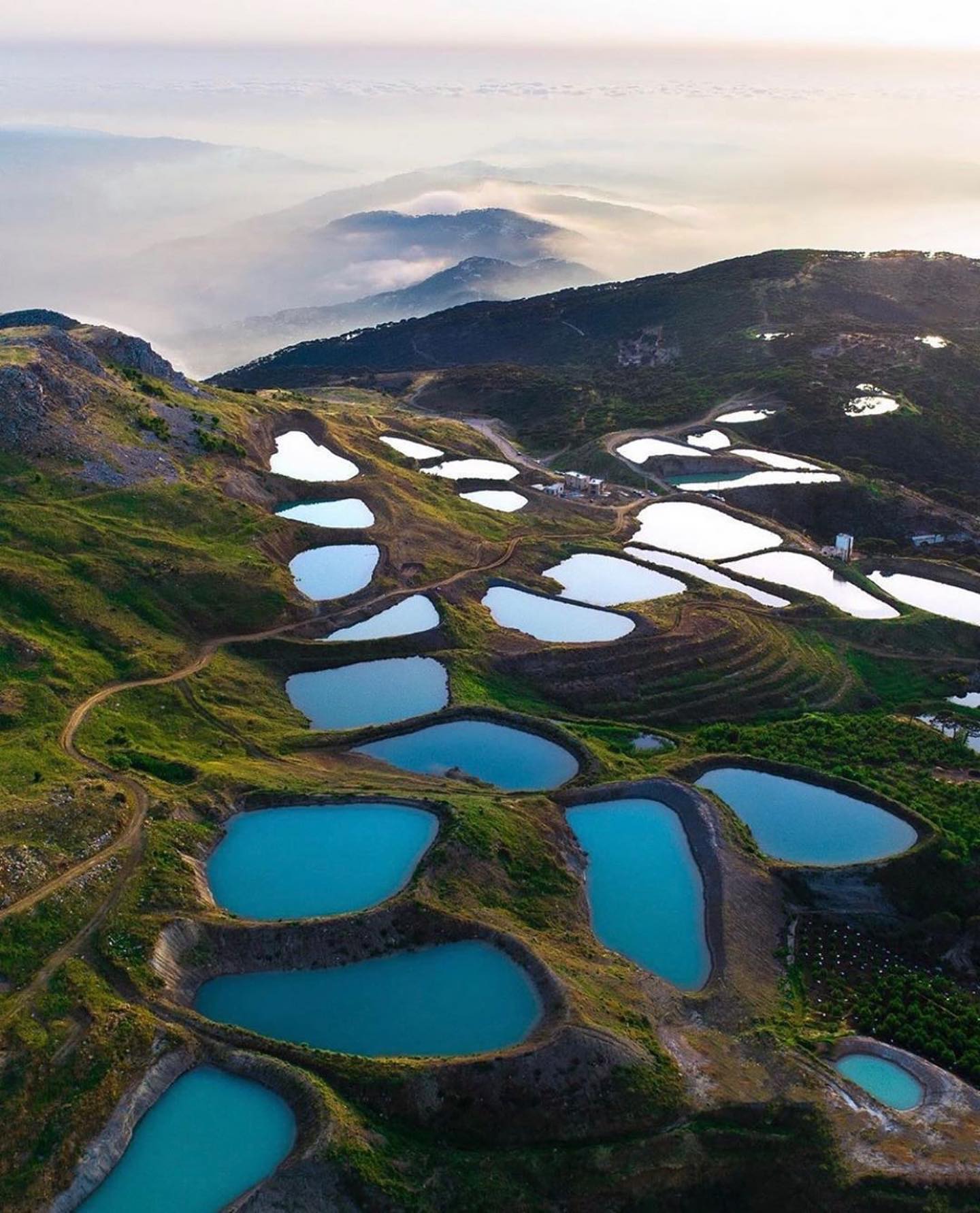
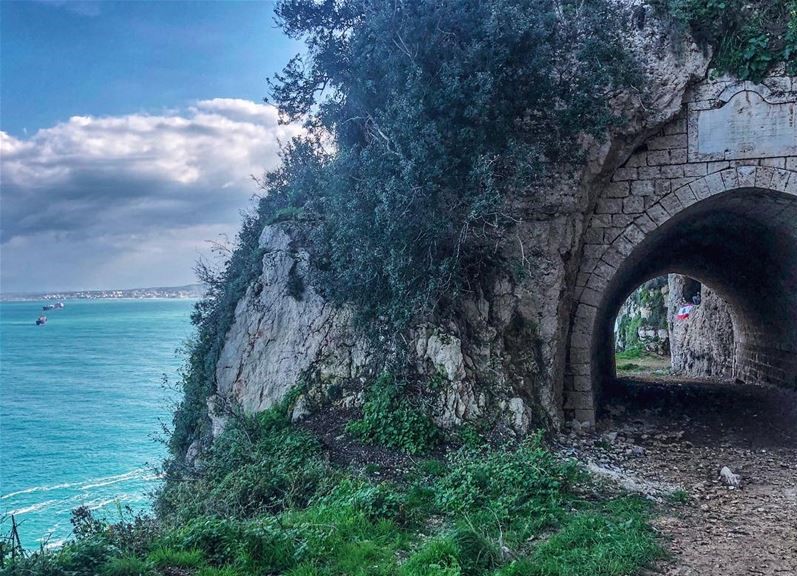
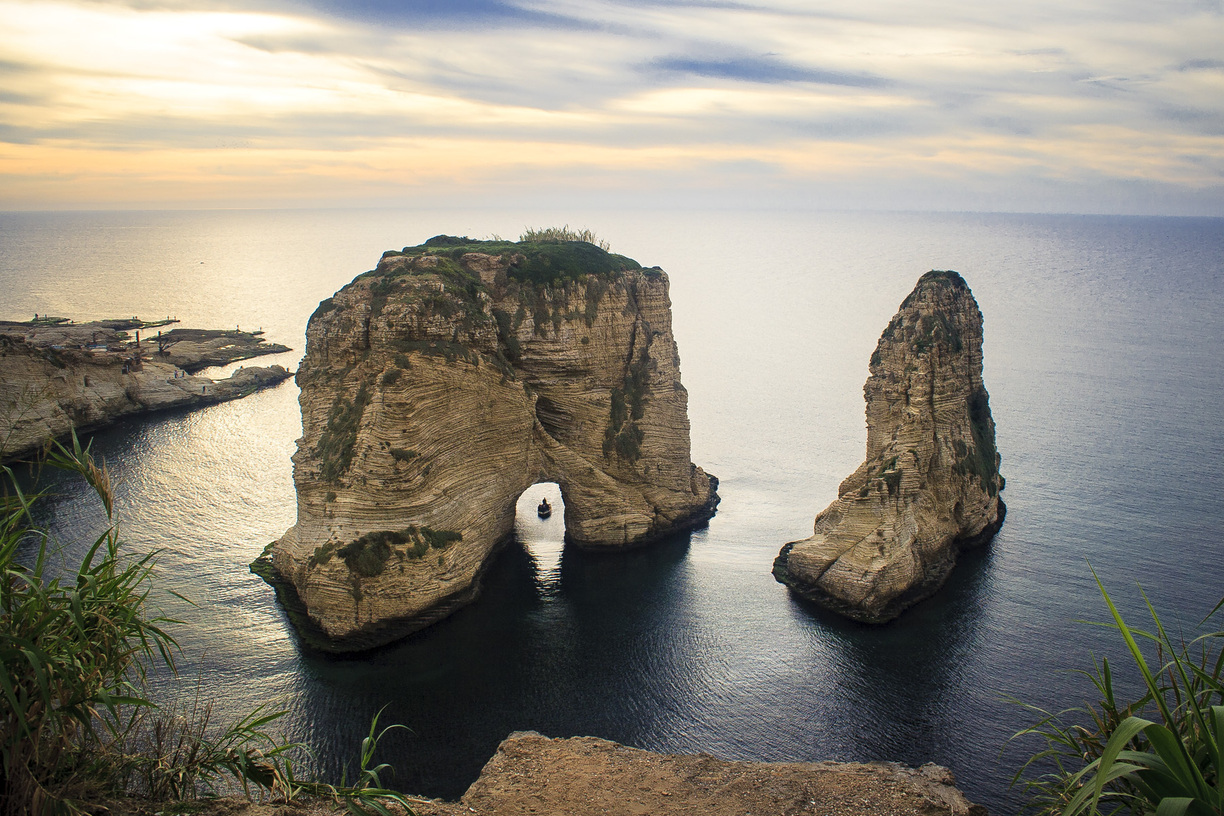
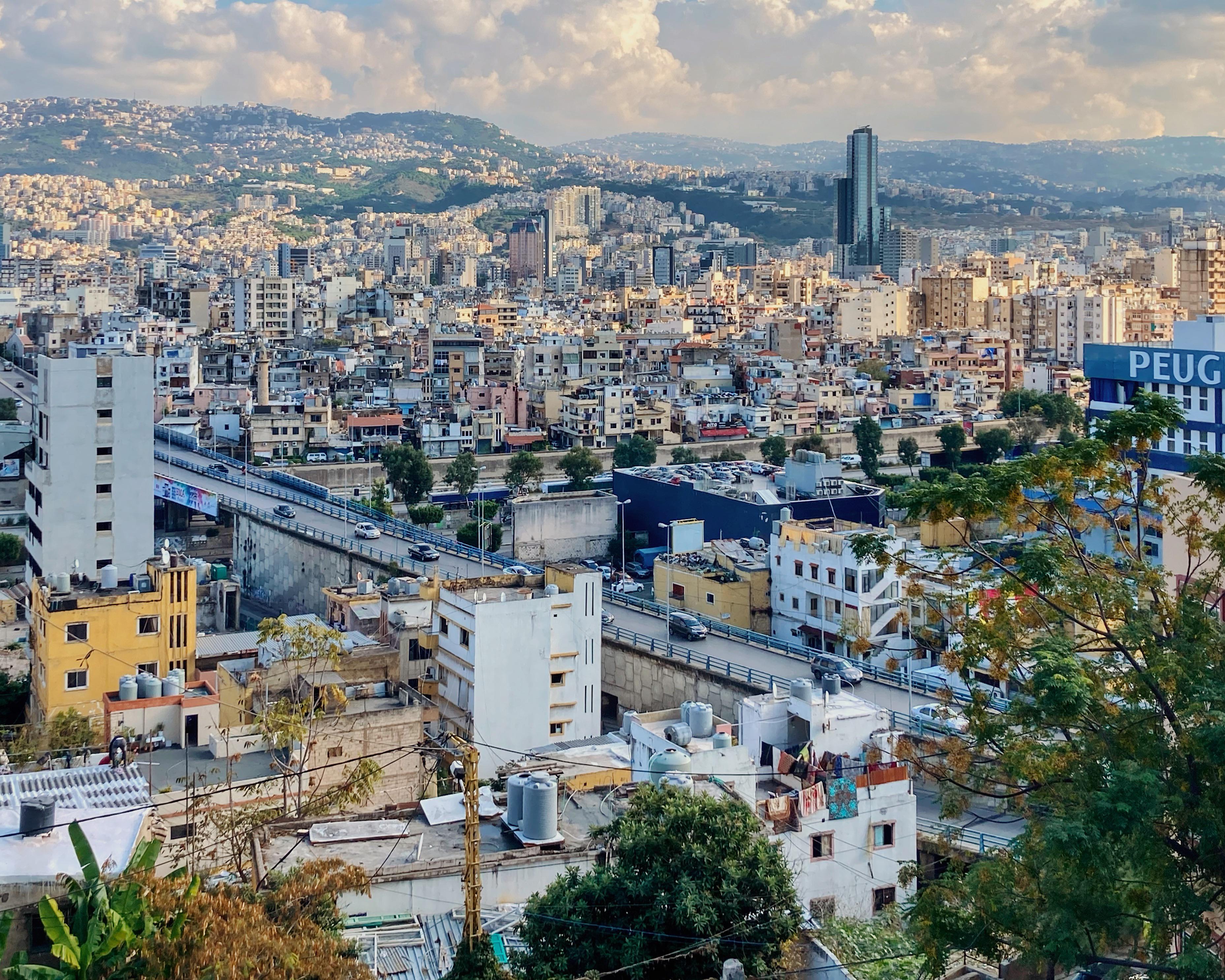
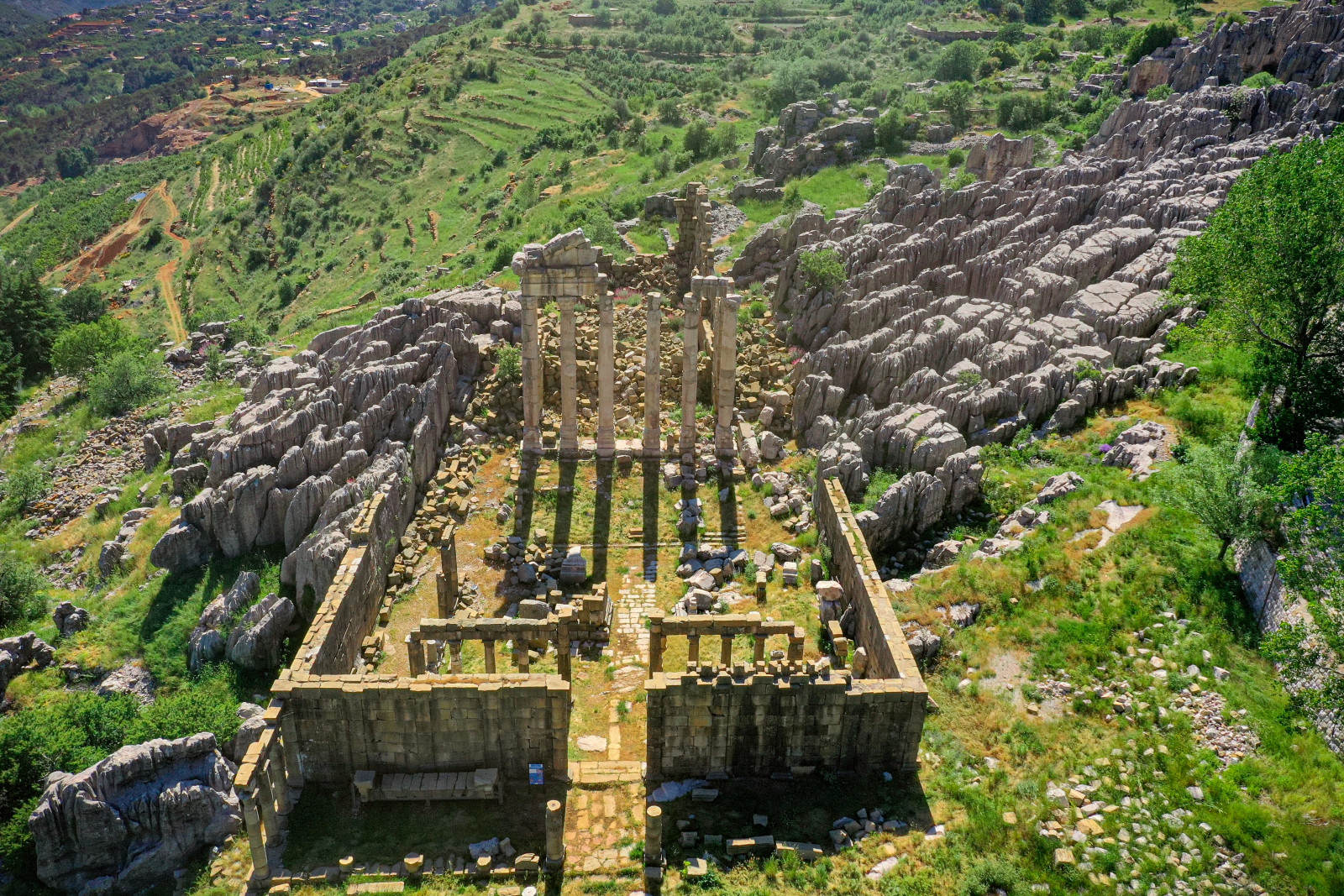
Overview: Lebanon is a country of remarkable contrasts, where ancient history meets modern culture. From the bustling streets of Beirut to the ancient ruins of Baalbek, the cedar forests of the mountains, and the scenic coastline along the Mediterranean, Lebanon offers a rich mix of heritage, natural beauty, and vibrant city life.
Fast Facts
- Official Name: Lebanese Republic
- Formation Date: November 22, 1943
- Government Type: Unitary Parliamentary Republic
- Current President: Michel Aoun
- Capital: Beirut
- Population: Approximately 6.5 million (as of 2025)
- Official Language: Arabic (French and English widely spoken)
- Religious Composition: Diverse religious communities including Muslims (Sunni and Shia), Christians (Maronite, Greek Orthodox, Armenian), Druze, and others.
- International Airports: Beirut-Rafic Hariri International Airport (BEY)
- Lowest Point: Mediterranean Sea coastline (0 meters above sea level)
- Highest Point: Qornet al Sawda — approximately 3,088 meters (10,131 feet) above sea level
- Time Zone: Eastern European Time (EET) — UTC +2 / Eastern European Summer Time (EEST) — UTC +3 (DST observed)
- Currency: Lebanese Pound (LBP)
Visitor Tips & Hacks
- Best Time to Visit: Spring (March–May) and autumn (September–November) for mild weather and pleasant travel conditions.
- Language: While Arabic is the official language, French and English are widely spoken, especially in tourist areas.
- Currency Tip: Carry both Lebanese Pounds and US Dollars; many establishments accept USD, but smaller shops prefer local currency.
- Transportation: Ride-hailing apps are available in Beirut; for longer distances, consider hiring a private driver or renting a car.
- Cultural Respect: Dress modestly when visiting religious sites, and be mindful of local customs and traditions.
```
.jpg)