
Middle East
Israel/Palestine -- The Holy Land
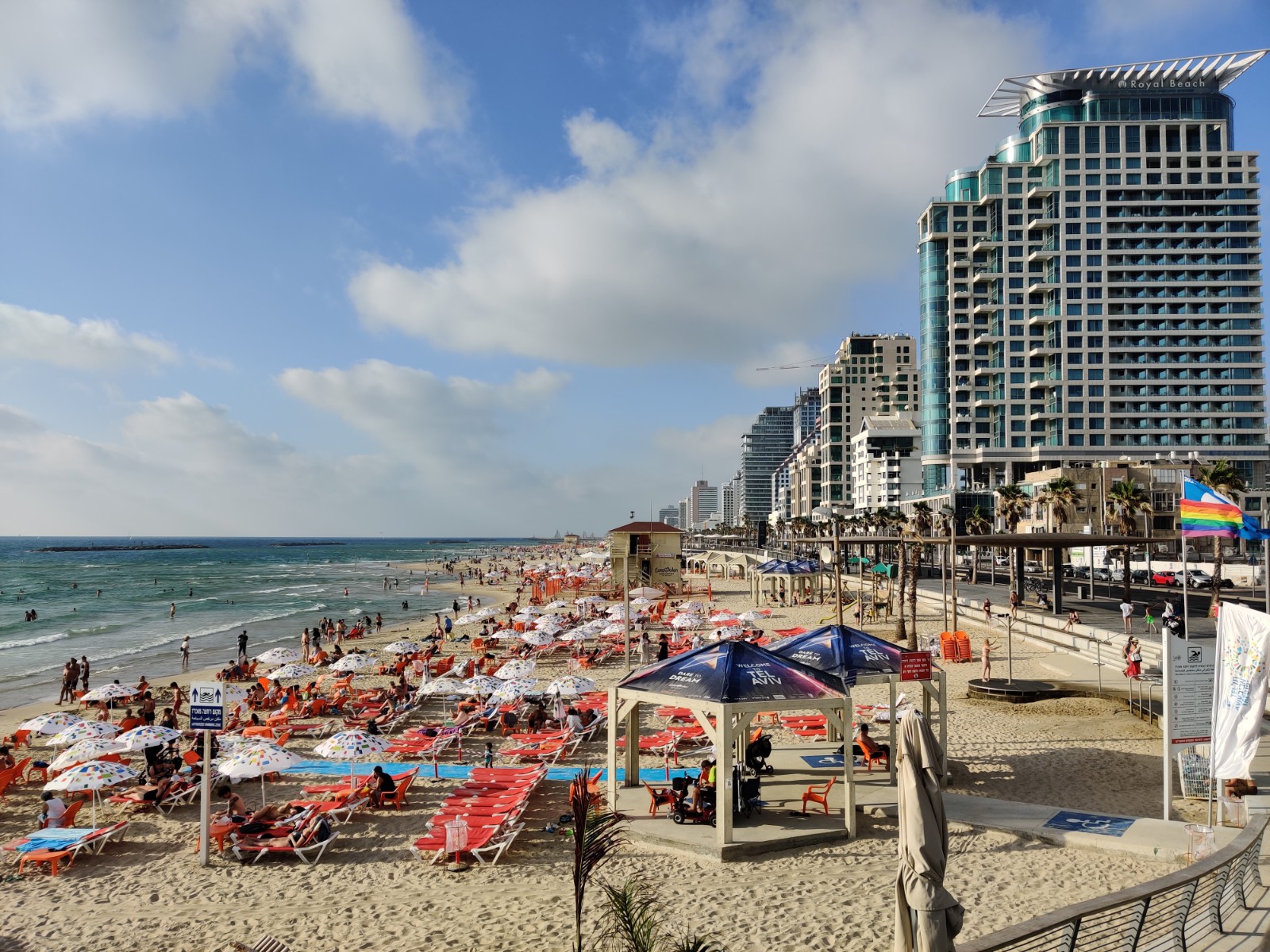
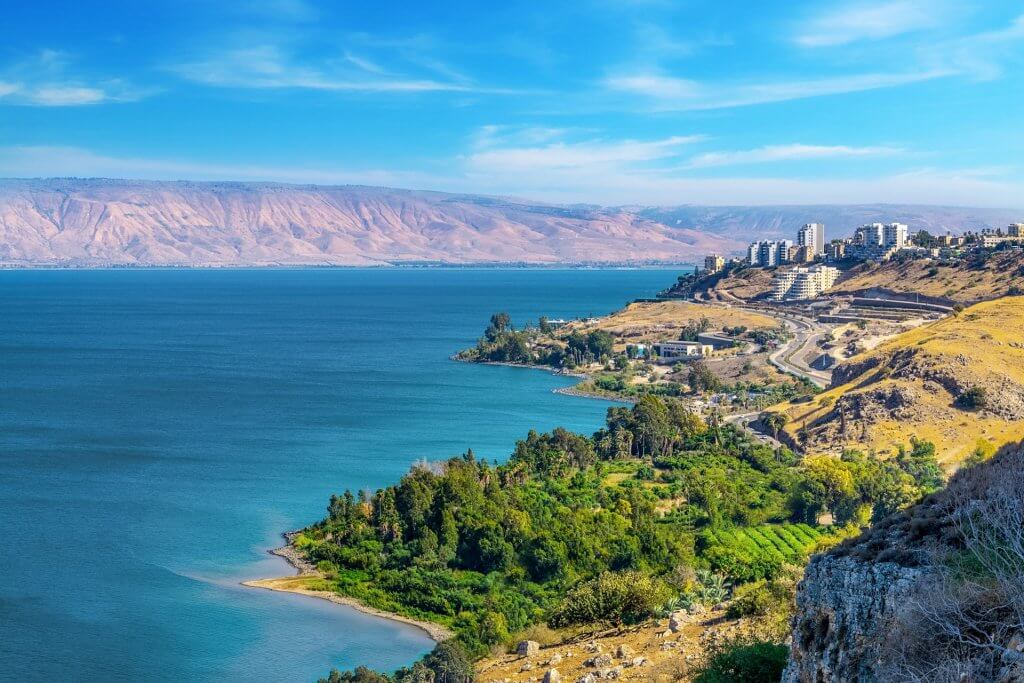
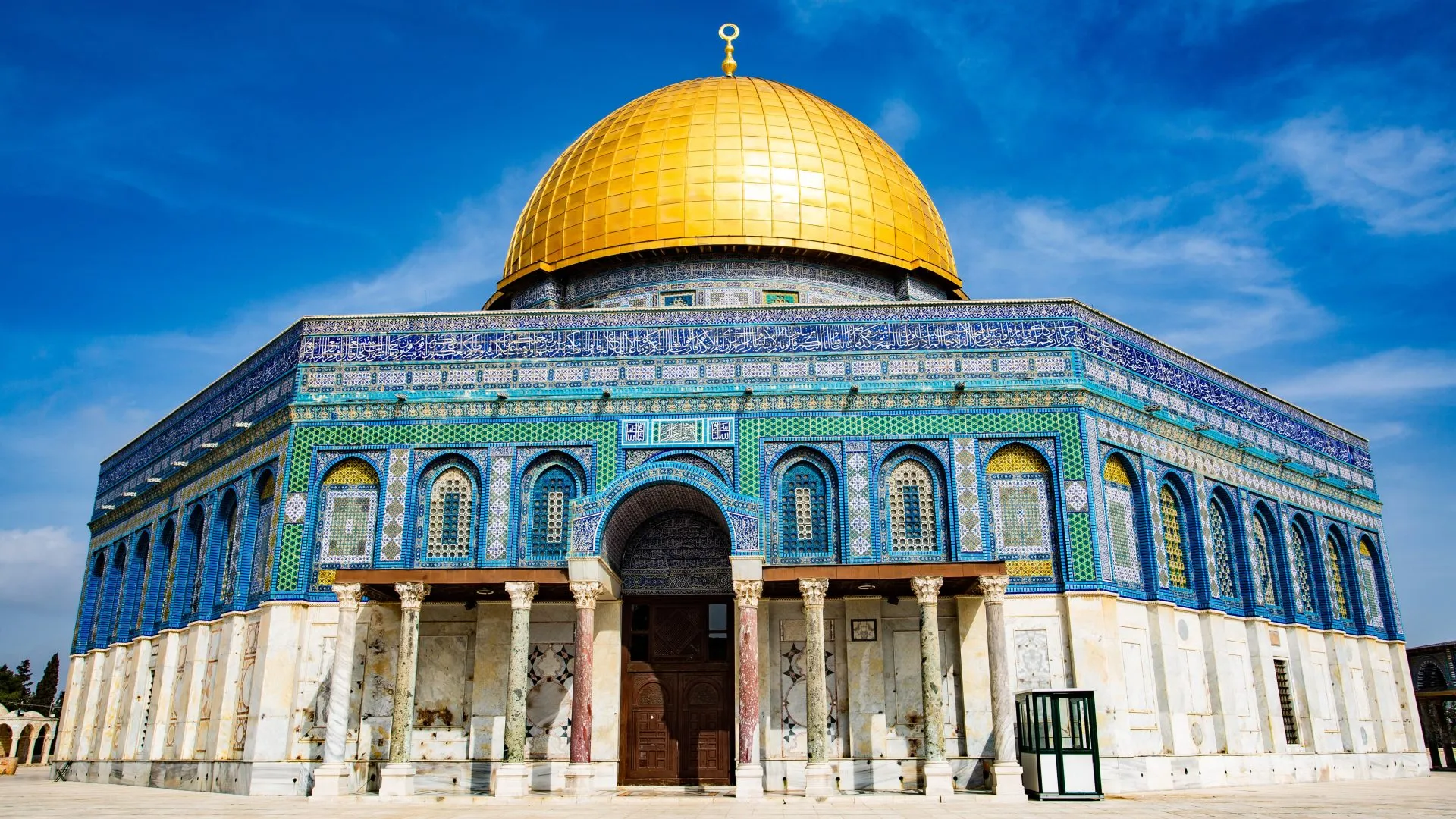
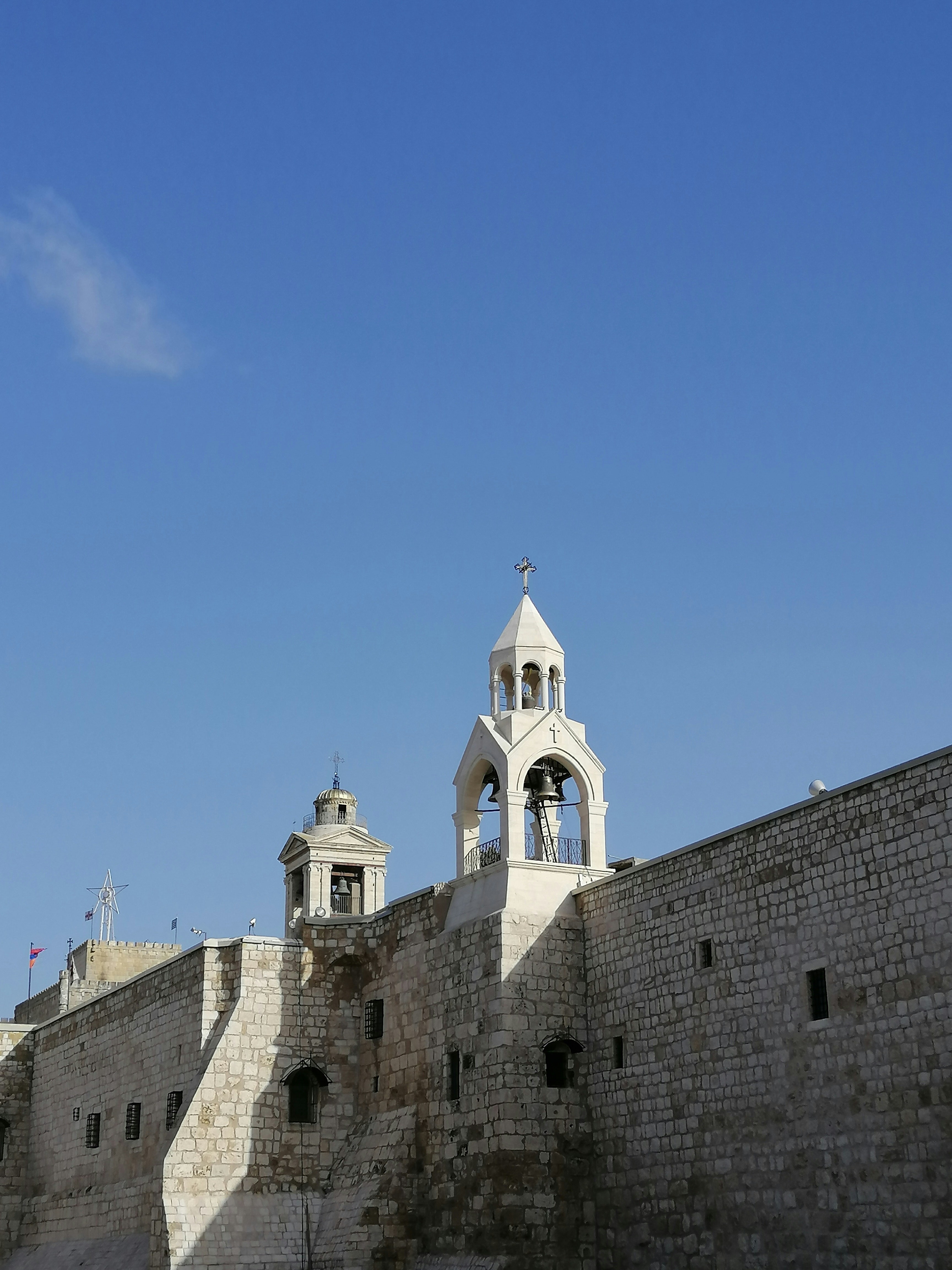
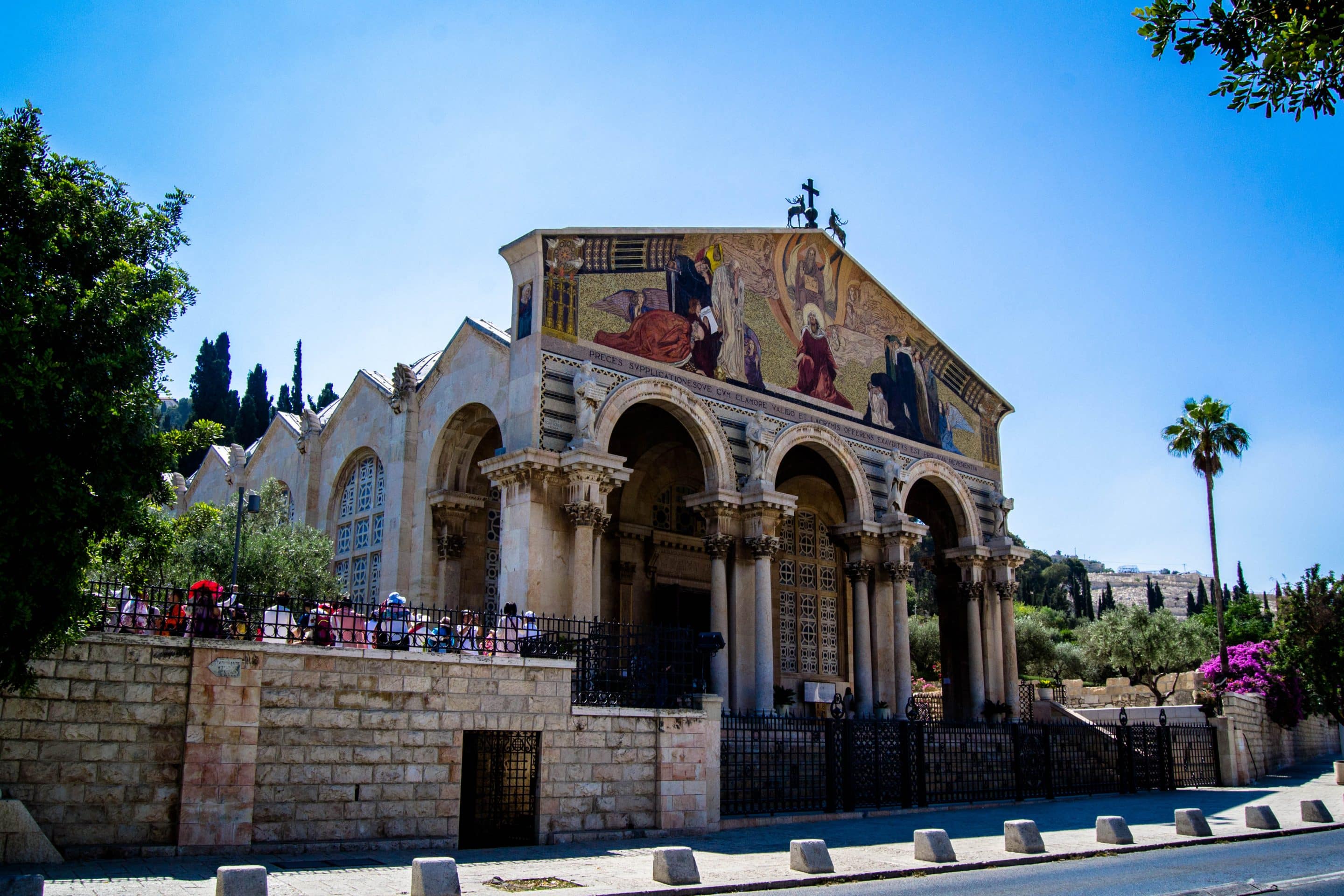
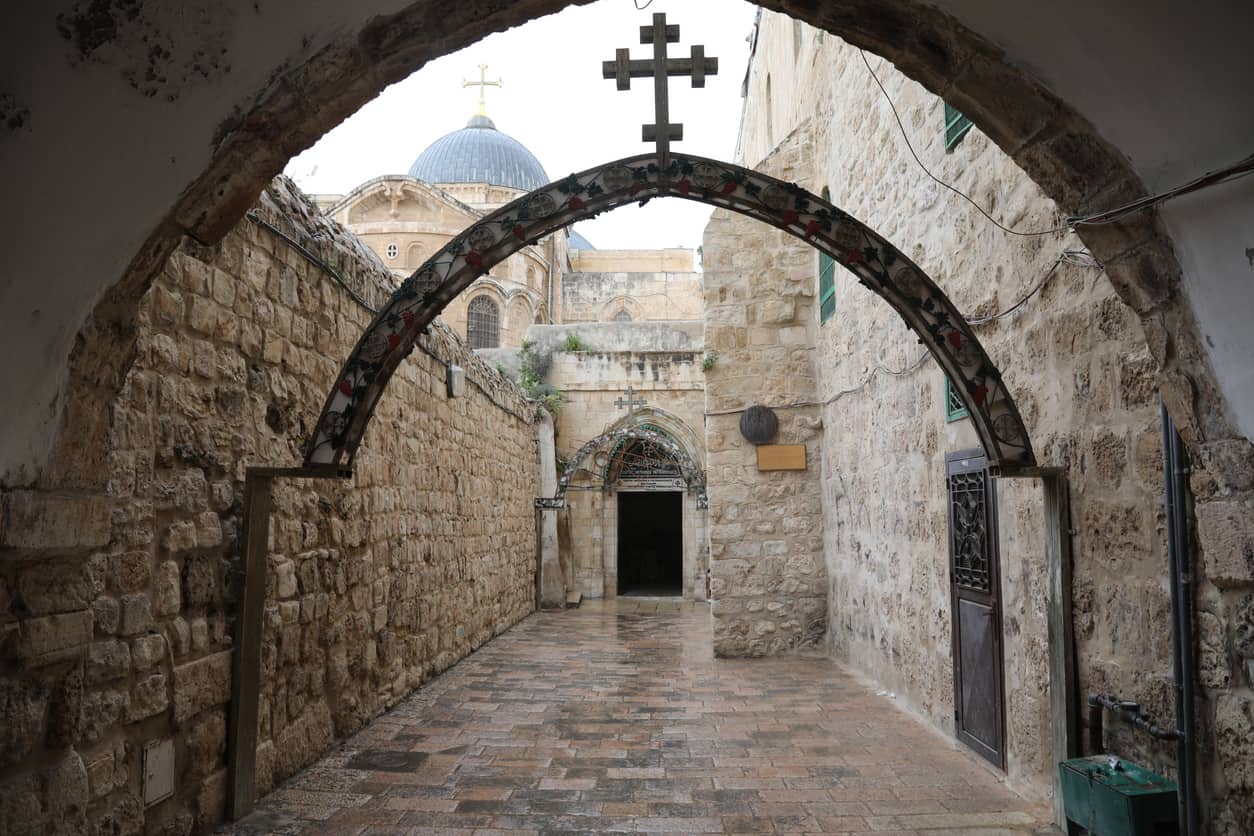
Overview: Israel is a vibrant country at the crossroads of history, religion, and culture, blending ancient traditions with modern innovation. Located on the eastern shore of the Mediterranean Sea, it is home to sacred sites for Judaism, Christianity, and Islam, attracting millions of visitors annually. Israel's diverse society includes Jews, Arabs, Druze, and other groups, contributing to its rich cultural fabric. The nation is known for its technological advancements, dynamic cities like Jerusalem and Tel Aviv, and varied landscapes ranging from desert dunes to lush greenery.
Fast Facts
- Official Name: State of Israel
- Independence Day: May 14, 1948
- Government Type: Parliamentary Democracy
- Current Prime Minister: Benjamin Netanyahu
- Capital: Jerusalem (disputed)
- Population: Approximately 9.7 million
- Official Languages: Hebrew, Arabic
- Religious Composition: Jewish 74%, Muslim 18%, Christian 2%, Druze and others 6%
- International Airports: Ben Gurion International Airport (near Tel Aviv)
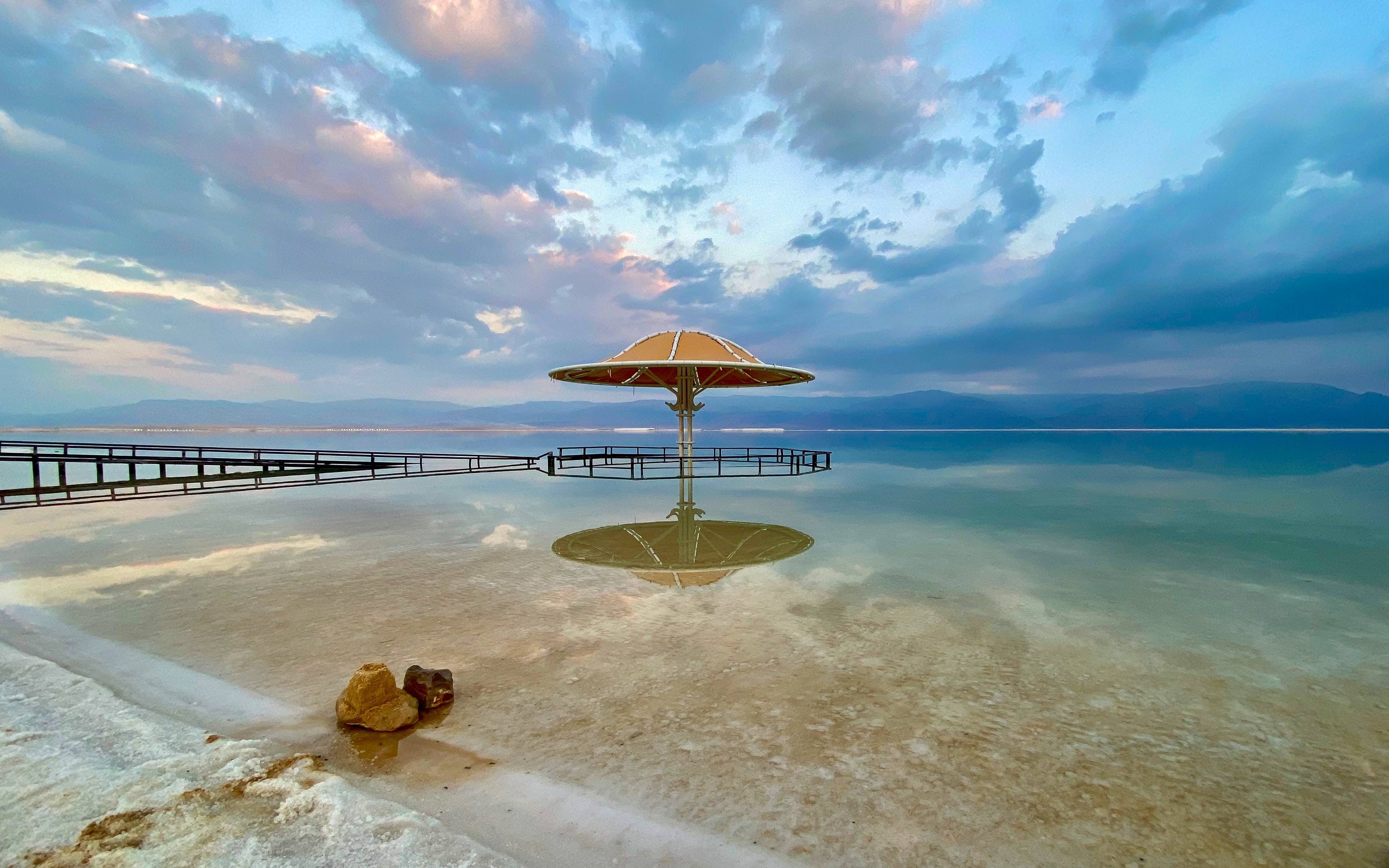
- Lowest Point: Dead Sea (-430 m)
- Highest Point: Mount Hermon (2,236 m)
- Time Zone: UTC +2 (UTC +3 in summer)
- Currency: Israeli New Shekel (ILS)
Visitor Tips & Hacks
- Best Time to Visit: Spring (March–May) and autumn (September–November) for mild weather and comfortable travel conditions.
- Religious Sites: Dress modestly when visiting holy sites; cover shoulders and knees, and bring a head covering for certain locations.
- Shabbat Awareness: From Friday afternoon to Saturday evening, many businesses and public transport shut down in Jewish areas.
- Currency Tip: The Israeli Shekel is the local currency; credit cards are widely accepted, but carry cash for small vendors.
- Security: Airport security is thorough—arrive early and be prepared for detailed questioning.
```
.jpg)
.jpg)


