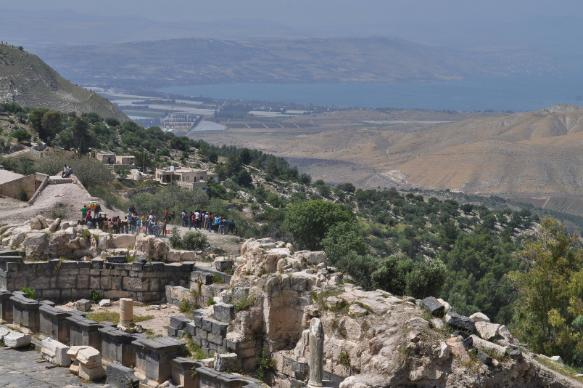
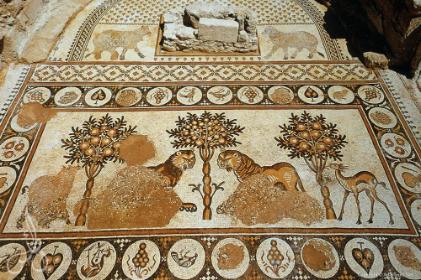
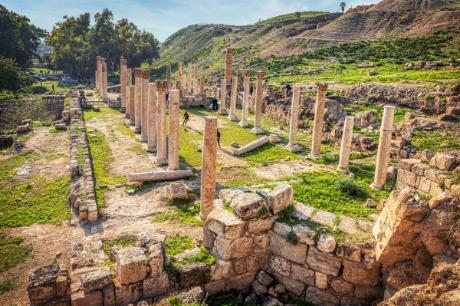
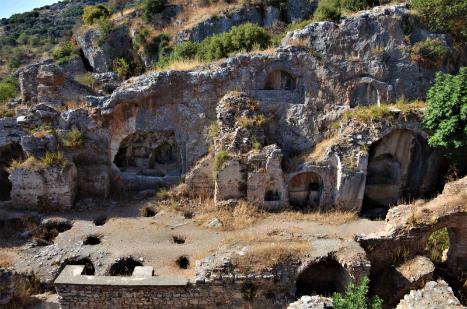
About Jordan -- The Hashemite Kingdom at the Crossroads of Civilizations
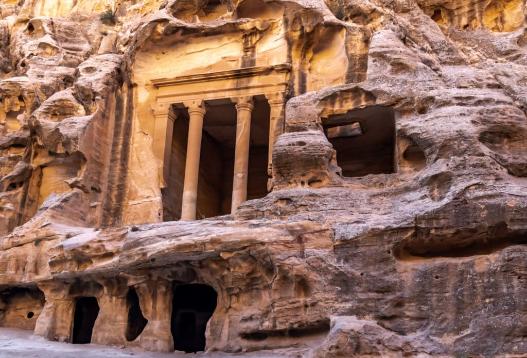
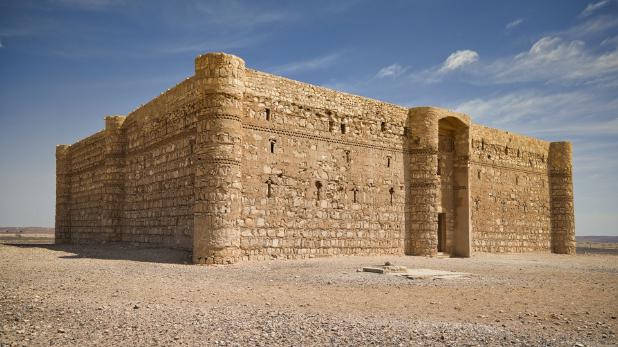
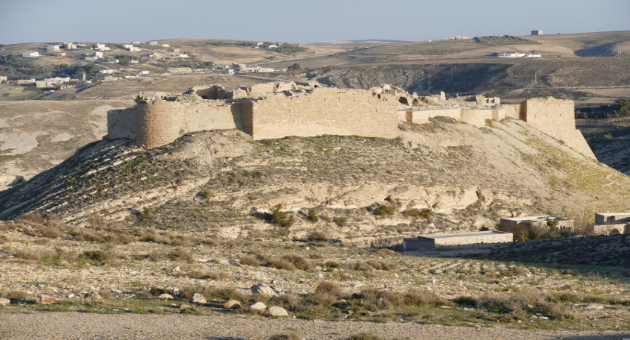
Overview: The Hashemite Kingdom of Jordan, located at the crossroads of civilizations, boasts a rich heritage despite its youth. With a history dating back millennia, its strategic importance as a trade hub has attracted empires like the Nabataeans, Greeks, Romans, and Ottomans. These influences have left their mark on Jordan's landscape and culture. Moreover, Jordan's population reflects its diverse history, with Arabs living alongside Circassians, Chechens, Armenians, Kurds, and Bosnians. Since its inception in 1946, waves of immigrants from Palestine, Iraq, and Syria have further enriched its cultural fabric. In the modern era, Jordan stands as a testament to harmony and coexistence, blending tradition with progress. It serves as an oasis of peace in a tumultuous region, embracing both its ancient past and contemporary advancements. Jordan's story is one of resilience and adaptation, where the echoes of its past reverberate through its bustling cities and serene landscapes, offering a glimpse into its enduring spirit.
Fast Facts
- Official Name: Hashemite Kingdom of Jordan
- Independence Day: May 25, 1946
- Government Type: Constitutional Monarchy
- Current Monarchs: King Abdullah II, Queen Rania
- Capital: Amman
- Population: Approximately 10.492 million
- Official Language: Arabic; English is widely spoken
- Religious Composition: Sunni Muslim 92%, Christian 6%, Miscellaneous 2%
- International Airports: Queen Alia in Amman, King Hussein in Aqaba
- Lowest Point: Dead Sea (-408m)
- Highest Point: Umm ad Dam (Rum) (1,854m)
- Time Zone: UTC +2
- Currency: Jordanian Dinar (JD) and fils. Coins: 10, 25, 50, 100, 250, and 500 fils. Notes: JD1, 5, 10, 20, and 50.
Visitor Tips & Hacks
- Best Time to Visit: Spring (March–May) and autumn (September–November) for mild weather and comfortable travel conditions.
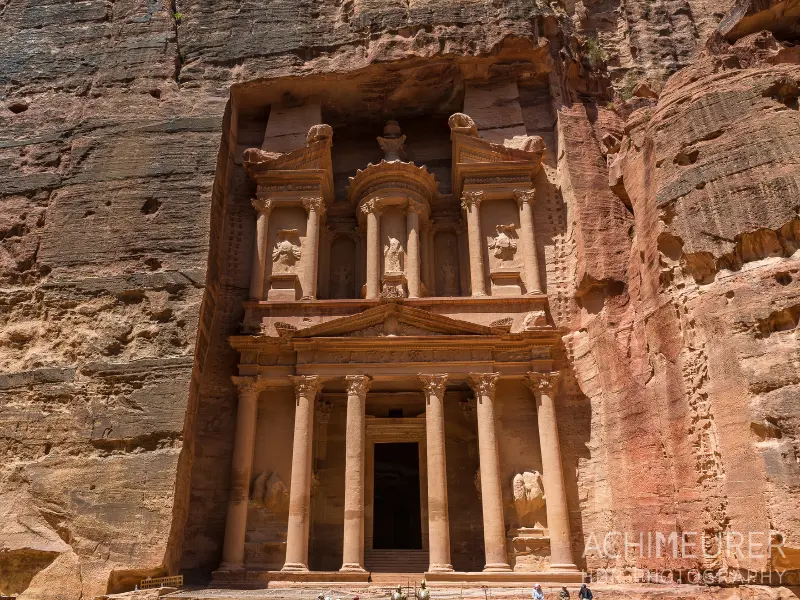
- Jordan Pass: Purchase the Jordan Pass before arrival to save on visa fees and entry to major attractions like Petra, Wadi Rum, and Jerash.
- Dress Code: Modest clothing is recommended, especially when visiting religious sites and local communities.
- Currency Tip: The Jordanian Dinar is a strong currency; carry small denominations for taxis and small shops.
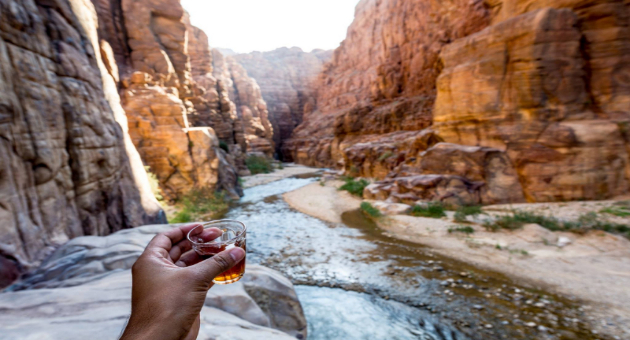
- Hospitality: Jordanians are known for their warm hospitality; accepting tea or coffee when offered is a sign of respect.
.webp)